Say It Right, Cook It Better: The Chettinad Spice That's Quietly Taking Over American Kitchens
Let's be honest. When most American home cooks stumble across the word kalpasi in a Chettinad recipe, one of two things happens. Either they Google it, decide it sounds too complicated, and swap in something familiar — or they just skip it entirely and wonder why the dish tastes a little flat. Both outcomes are completely understandable. And both are a shame.
Because kalpasi (say it like this: kahl-PAH-see) is one of those ingredients that quietly does more work than it gets credit for. It doesn't shout. It doesn't overwhelm. But pull it from a slow-cooked Chettinad curry and something essential goes missing — a kind of earthy, mossy depth that no other spice in your pantry can replicate.
So let's fix that.
What Exactly Is Kalpasi?
Kalpasi is a dried lichen — yes, the same organism that grows on tree bark and rocks — harvested primarily from the forests of South India. It goes by several names depending on where you are: dagad phool in Hindi, stone flower in English, patthar ke phool in Urdu. In Chettinad cooking specifically, it's one of the defining aromatics in the region's signature spice blend, and it's been used there for centuries.
Visually, it looks like crinkled, dark gray-brown flakes — almost like dried seaweed or charred herb fragments. If you've never encountered it before, it doesn't look like much. But drop a few pieces into hot oil during tempering and the transformation is immediate. The kitchen fills with a scent that's woodsy, faintly floral, and unlike anything else in the spice world.
"People always ask me what that smell is when I'm cooking," says Meenakshi Ramaswamy, a second-generation Tamil-American home cook based in the Bay Area. "I tell them it's the kalpasi and they look at me like I said something in another language. Which, I guess, I kind of did."
Why Chettinad Cooks Treat It as Non-Negotiable
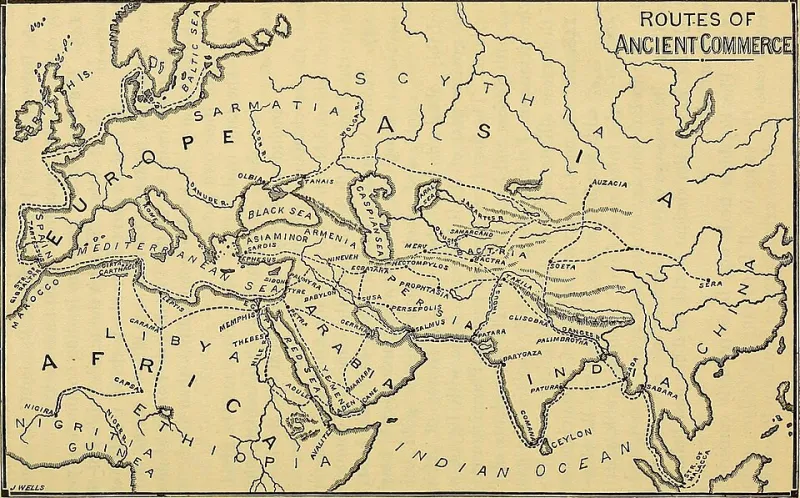
Chettinad cuisine is famously complex — built on layered spice combinations that evolved over generations of trade, experimentation, and deeply guarded family recipes. Kalpasi is part of what's known as the kalpasi masala group, a cluster of aromatics that includes marathi mokku (dried flower pods) and star anise, used together to build the base flavor profile of dishes like Chettinad chicken curry and mutton kuzhambu.
What kalpasi brings to that combination is hard to describe without tasting it, but spice merchants who've worked with it for decades tend to reach for words like "grounding" and "ancient." It gives a dish a certain weight — not heaviness, but presence.
Prabhakaran Chettiar, who runs a spice sourcing operation in Tamil Nadu that supplies customers across the US, puts it plainly: "Kalpasi is what makes Chettinad food taste like it came from somewhere. Remove it and the dish still tastes good. But it loses its address."
That's a line worth sitting with.
The Pronunciation Problem — and Why It Actually Matters
Here's the thing about mispronouncing an ingredient: it subtly disconnects you from its context. When you can say kalpasi with reasonable confidence, you're more likely to ask about it, read about it, and eventually cook with it. Pronunciation is a small bridge between unfamiliarity and engagement.
The word breaks down simply: kal (like "cull" but softer) + pa (like "pa" in "pasta") + si (like "see"). Put it together and you get kahl-PAH-see. The emphasis lands on the second syllable. Practice it a few times and it stops feeling foreign fast.
For Kavitha Sundaram, who grew up watching her grandmother cook in Chennai and now runs a supper club in Austin, Texas, the language piece is deeply personal. "My grandmother never measured anything. She knew the spices by feel, by smell, by name. When I use the Tamil name instead of just saying 'stone flower,' it feels like I'm honoring that chain of knowledge. It's a small thing, but it's not nothing."
How to Actually Cook With It
If you've never used kalpasi before, start simple. The spice is almost always used whole — you won't be grinding it into a powder. Instead, it gets added to hot oil at the beginning of cooking, along with other whole spices like cinnamon, cardamom, and cloves, where it blooms and releases its aroma before the rest of the ingredients go in.
A few practical tips:
Use it sparingly at first. Kalpasi is potent. Two or three small pieces are enough for a dish serving four people. More than that and the earthiness can start to dominate.
Don't skip the blooming step. The flavor compounds in kalpasi are fat-soluble, meaning they need heat and oil to fully activate. Adding it to a water-based sauce won't give you the same result.
Pair it with other Chettinad aromatics. Kalpasi is at its best in context. It works beautifully alongside marathi mokku, kandan thippili (long pepper), and fresh curry leaves. On its own, it's interesting. In combination, it's transformative.
Store it like you mean it. Keep kalpasi in an airtight container away from light and moisture. It dries out quickly and loses potency if left exposed. A small glass jar works perfectly.
Where to Find It in the US
This used to be the hard part. Five years ago, tracking down kalpasi in America meant either a trip to a specialty Indian grocery store — and even then it wasn't guaranteed — or asking a relative to bring some back from a trip abroad.
That's changed. Chettinad-focused online retailers now ship kalpasi directly to home cooks across the country, which means the spice is genuinely accessible to anyone willing to seek it out. If you're building a Chettinad pantry from scratch, kalpasi should be on the list alongside your black stone flower (which is, confusingly, a different ingredient entirely — a story for another day).
One Spice, A Lot of Meaning
There's something quietly radical about learning to pronounce an ingredient correctly and understanding where it comes from before you cook with it. It shifts the relationship from transactional to something more like respect — for the cuisine, for the people who built it, for the cooks who kept it alive across generations and oceans.
Kalpasi won't make you a Chettinad chef overnight. But it'll make your cooking more honest. And honestly? That's a pretty good place to start.
You can find kalpasi and other hard-to-source Chettinad spices at chettinad.shop, shipped directly to your door anywhere in the US.