From Chettinad Spice Routes to Colonial America: The Curry With a History Worth Cooking

Photo by Photo by Marlom Veloso on Unsplash on Unsplash
The Spice Trade Nobody Talks About in American History Class
Here's something your high school history teacher almost certainly skipped: when Thomas Jefferson was busy obsessing over French cuisine during his years as a diplomat in Paris, the spices that flavored the most exciting dishes on those European tables had already passed through the hands of South Indian merchants — many of them from the Chettinad region of Tamil Nadu.
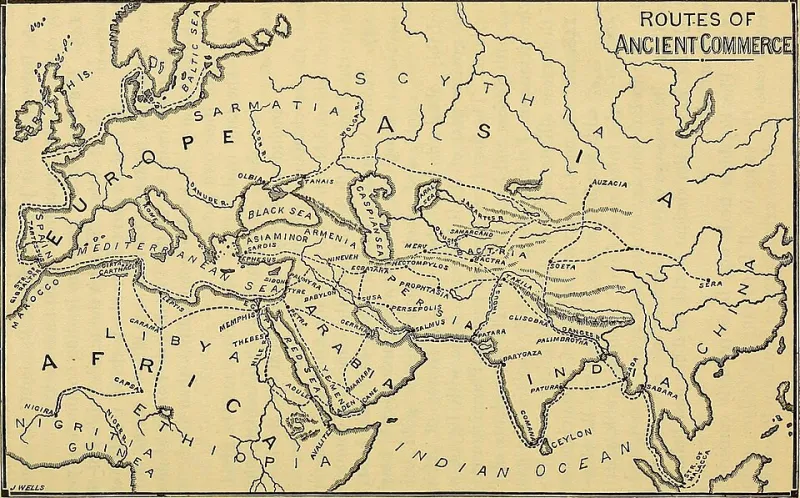
The Nattukotai Chettiars, the merchant community behind Chettinad's legendary food culture, were serious global traders long before the word "global" meant anything like what it does today. They ran trade networks that stretched from Burma to Ceylon to the Malay Peninsula, and their spices — pepper, kalpasi (stone flower), marathi mokku (dried flower pods), and star anise — moved steadily westward through Arab and Portuguese middlemen, eventually landing in European spice markets that fed the appetites of colonial-era America.
When Jefferson famously brought a pasta machine back from Europe and helped popularize macaroni in the United States, he was living in a food world quietly underwritten by South Asian spice commerce. The pepper in his kitchen almost certainly traced a route that began somewhere near the Coromandel Coast.
Now, we're not here to rewrite the history books. But there's something genuinely exciting about knowing that the cuisine you're about to cook has roots that stretch further — and travel further — than most people realize.
What Actually Ended Up on Jefferson's Table
Historical records from Monticello show that Jefferson had a deep appreciation for spiced and slow-cooked dishes. His enslaved chef James Hemings, who trained in French kitchens, worked with ingredients that included black pepper, cloves, and warming aromatics that would feel right at home in a Chettinad spice box.
The dish that most closely mirrors what a well-traveled 18th-century American might have encountered — had the full Chettinad pantry been available — is a dry-roasted pepper chicken curry. Known as Kozhi Milagu Varuval in Tamil, it's a dish built on whole black peppercorns, fennel, and curry leaves, cooked low and slow until the spices become the sauce rather than just the seasoning.
It's bold. It's aromatic. And it's the kind of dish that, once you make it, makes you wonder how it ever stayed off the American radar this long.
Why This Dish Works for the American Home Cook
One of the things that makes Kozhi Milagu Varuval such a great entry point into Chettinad cooking is that it doesn't require a dozen hard-to-find ingredients or three hours of prep. The complexity comes from technique — specifically, dry-roasting whole spices and building the curry without any coconut milk or tomato base to hide behind.
Every flavor has to earn its place.
If you've been cooking Indian food using store-bought curry powder, this recipe will feel like a revelation. The difference between pre-ground spice blends and freshly roasted whole spices is the difference between a photograph of a sunset and actually watching one.
You can source everything you need — black peppercorns, kalpasi, marathi mokku, dried red chilies, curry leaves — right here at Chettinad Shop, and have it at your door before the weekend. No hunting through three different grocery stores, no substitutions that quietly flatten the flavor.
The Recipe: Kozhi Milagu Varuval (Chettinad Pepper Chicken)
What you'll need:
- 2 lbs bone-in chicken pieces (thighs and drumsticks work best)
- 2 tablespoons black peppercorns, plus 1 teaspoon freshly cracked pepper
- 1 tablespoon fennel seeds
- 1 teaspoon cumin seeds
- 4–5 dried red chilies
- 1 small piece kalpasi (stone flower)
- 2–3 marathi mokku
- 3 tablespoons coconut oil or neutral oil
- 1 large onion, thinly sliced
- 1 tablespoon ginger-garlic paste
- 10–12 fresh curry leaves
- Salt to taste
- Fresh lime juice to finish
How to make it:
Start by dry-roasting the peppercorns, fennel, cumin, dried chilies, kalpasi, and marathi mokku in a heavy pan over medium heat. You're looking for the moment when the kitchen starts to smell like something ancient and excellent — usually about 3–4 minutes. Let the spices cool, then grind them coarsely. You want texture here, not a fine powder.
Heat the oil in a wide, heavy-bottomed pan — cast iron is ideal. Add the curry leaves first and let them crackle for about 30 seconds. Then add the sliced onions and cook them low and slow, stirring occasionally, until they're deeply golden and starting to caramelize. This step takes patience, but it's where a lot of the dish's sweetness and body come from. Don't rush it.
Add the ginger-garlic paste and cook until the raw smell cooks off, about 2 minutes. Add the chicken pieces and turn the heat up slightly, browning them on all sides. Then add the ground spice mixture along with a generous pinch of salt, and stir everything together so the chicken is coated.
Reduce the heat, cover the pan, and let the chicken cook in its own juices for about 20–25 minutes, turning occasionally. The goal is a dry curry — no sauce pooling at the bottom, just spices clinging to the chicken. If there's too much moisture, uncover the pan and let it cook off.
Finish with a squeeze of fresh lime juice and the cracked black pepper. Serve with steamed rice, or just eat it straight out of the pan, which is honestly the move.
The Part That Makes It More Than Just Dinner
There's a reason Chettinad food has survived centuries of trade disruptions, colonial interference, and the flattening effect of globalization: it's built on ingredients that carry actual history.
When you cook with kalpasi — that strange, bark-like spice that most American cooks have never heard of — you're using something that Chettinad merchants traded across oceans. When you dry-roast those peppercorns, you're repeating a technique that's been passed down in Tamil kitchens for generations, unchanged because it doesn't need to change.
That's the thing about great food traditions. They don't stay in one place. They travel. They influence. And sometimes, if you trace the thread back far enough, you find them sitting at the edge of a story you thought you already knew.
Jefferson never tasted Kozhi Milagu Varuval. But the spices in his kitchen whispered the same language. Tonight, you can hear the whole sentence.