One Cuisine, Thirty Days: My Month of Cooking Nothing But Chettinad Food
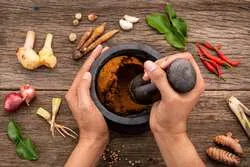
Photo: home cook preparing Indian spices kitchen mortar pestle, via images.slurrp.com
I have a confession: before this experiment, my cooking was a mile wide and an inch deep. One night a Thai-inspired stir-fry, the next a half-remembered Moroccan thing, then tacos, then a 'Mediterranean bowl' that was just ingredients in a bowl. I owned forty spices and used maybe twelve. I wasted produce constantly. And I spent an embarrassing amount of time scrolling recipes at 5 p.m., paralyzed by choice.
So I tried something drastic. For thirty days, I cooked exclusively one cuisine: Chettinad, the fiery, spice-forward tradition from Tamil Nadu. Here's what happened.
Week One: The Setup
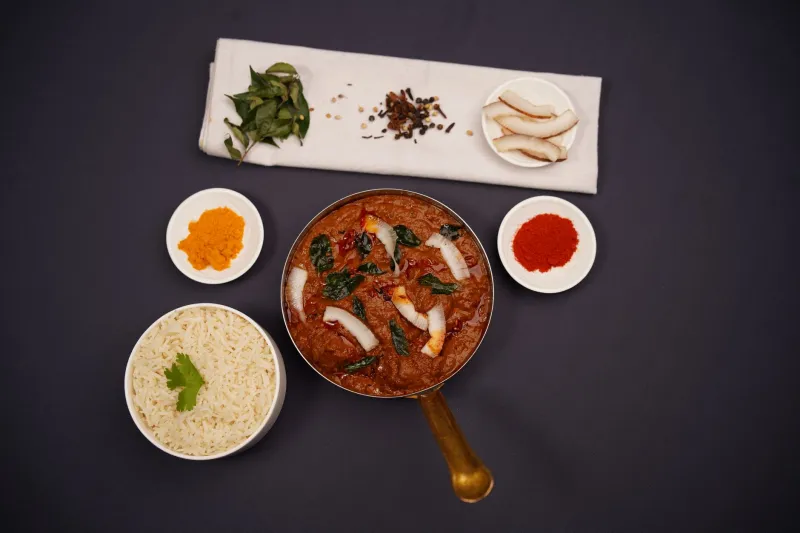
I ordered the core pantry from chettinad.shop — a Chettinad masala blend, whole spices (black pepper, fennel, dried chilies, mustard seeds, star anise), tamarind, coconut milk, urad and chana dal. Total: about $65. That felt like a lot until I realized it covered nearly everything for the month.
My first three dishes were rough. My kuzhambu was too sour. I burned a tempering. I learned that 'roast the spices until fragrant' means something different than 'roast until you remember you left them on the stove.'
Week Two: The Repetition Effect
Here's where it got interesting. By cooking the same family of dishes repeatedly, I stopped following recipes. My third poriyal took eleven minutes and was better than my first, which took forty. I learned what my stove's 'medium-high' actually means. I could smell when the tamarind had cooked down enough.
This is the thing no one tells you about learning to cook: depth beats breadth. Cooking thirty different cuisines thirty times each teaches you less than cooking one cuisine thirty times. The repetition is the education.
The Budget Math
I tracked every grocery dollar against my previous three months:
- Grocery spend: Down 22%. A focused pantry means no orphan ingredients — every lime, every bunch of cilantro had a job.
- Food waste: Down dramatically. Tamarind, dal, and dried spices don't rot in the crisper drawer. My compost bin was nearly empty by week three.
- Takeout: Down from about $140/month to $40. When dinner takes twenty minutes and you know it'll taste good, the delivery app loses its grip.
The upfront spice investment paid for itself by roughly day twelve.
The Palate Shift
By week three, something unexpected happened: my mouth recalibrated. The first week, Chettinad heat felt like a challenge. By the end, I could taste through the heat — the citrusy pop of black pepper, the anise sweetness underneath, the way curry leaves smell when they hit hot oil. Foods I'd eaten for years suddenly tasted flat. A grocery store rotisserie chicken tasted like salt and sadness.
I wasn't eating more flavorful food. I was finally tasting flavor that had been there all along.
The Decision Fatigue Discovery
The biggest surprise wasn't culinary — it was psychological. The 5 p.m. scroll-the-recipes paralysis vanished. 'What's for dinner' became 'which of the eight dishes do I feel like,' not 'what on earth should I cook tonight.'
Most American home cooks default to what I'll call the 'world food buffet' approach — a little of everything, mastery of nothing. It's exhausting. A small, focused cuisine is a constraint, and constraints, it turns out, are delicious.
Would I Do It Again?
I'm not going full Chettinad forever — tacos are coming back, and I'm not a monster. But the pantry stays. The techniques stay. And the principle stays: when you want to cook better, stop adding options and start going deeper.
One cuisine. Thirty days. Forty dollars saved a month, a compost bin on vacation, and a palate that finally works. Not bad for a spice rack the size of a shoebox.