No Two Batches Are Alike — And Chettinad Cooks Wouldn't Have It Any Other Way
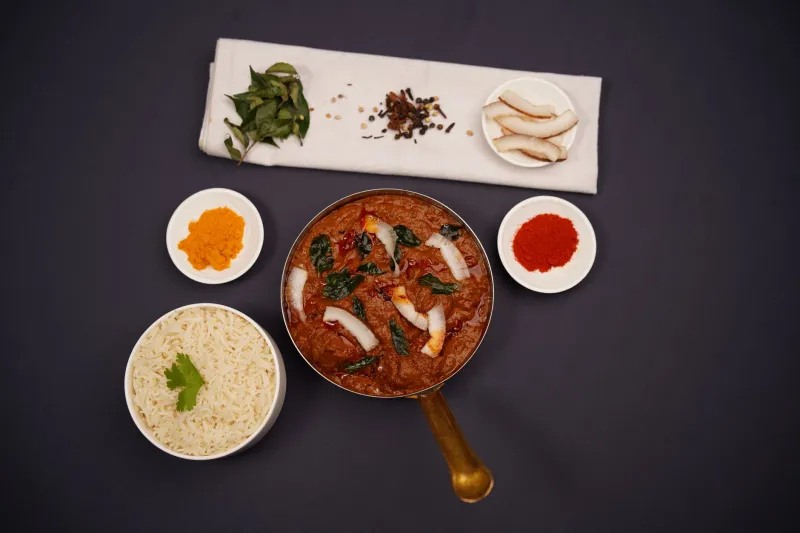
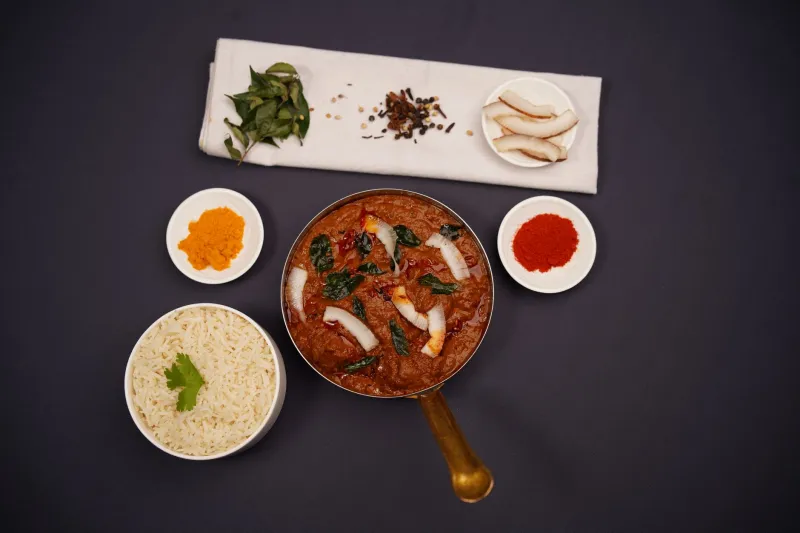
You pull out the same jar of kalpasi, the same bag of dried chilies, the same printed recipe you've made a dozen times. You follow every step. And yet — the curry sitting in your pot tonight tastes subtly, unmistakably different from the one you made three weeks ago. Maybe it's a little sharper. Maybe the heat lingers longer. Maybe the coconut milk seems thinner, less rich.
Your first instinct is probably to wonder what you did wrong.
Here's the thing: you almost certainly didn't do anything wrong. What you're experiencing is one of the most honest features of real Chettinad cooking — and once you understand why it happens, you'll stop chasing a fixed result and start cooking with a lot more confidence.
The Recipe Is a Map, Not a GPS
In Chettinad kitchens — the ones in Tamil Nadu where this cuisine was born, and the ones quietly thriving in diaspora homes across the US — recipes have always functioned more like guidelines than rigid scripts. Experienced cooks use them as a starting point and then adjust based on what their senses tell them.
That approach isn't casual or sloppy. It's actually sophisticated. Because the truth is, the variables in play every single time you cook are genuinely different. And pretending otherwise is what leads to frustration.
What's Actually Changing Between Batches
Spice freshness is the biggest wildcard. A jar of stone flower (kalpasi) or marathi mokku that was opened two months ago is going to behave differently than one you cracked open last week. Essential oils dissipate over time. The heat from dried chilies fades. The fragrance of star anise softens. None of this means the spice is bad — it just means it's different, and your cooking needs to account for that.
If last week's curry was more aromatic and this week's feels flat, the answer probably isn't to add more of everything. It's to bloom your spices a little longer in the oil, or to toast them dry before grinding, to coax out what's still there.
Coconut milk brands vary wildly. This is something American home cooks don't always realize. The fat content, thickness, and even the subtle sweetness of canned coconut milk differs significantly between brands — and sometimes between cans from the same brand. A thicker, higher-fat coconut milk will carry spices differently and create a richer, more coating sauce. A thinner one will make a brighter, slightly more liquid curry. Neither is wrong. They're just different tools.
Pay attention to how your coconut milk looks when you open it. If there's a thick layer of cream on top, you've got a richer product. You can factor that in — maybe add a splash less water, or let it reduce a little longer.
Water hardness is real, and it matters more than you'd think. If you've moved from one part of the country to another and noticed that your curries don't taste quite the same, water hardness could be part of the answer. Hard water — common in parts of the Southwest, Midwest, and Texas — can affect how spices hydrate and how sauces emulsify. It can make lentils take longer to soften. It can subtly dull certain flavors. Filtered water or a brief simmer before adding delicate aromatics can help, but honestly, the bigger move is just acknowledging that your local water is one more variable to cook with, not against.
Onions aren't uniform either. The caramelization that forms the base of most Chettinad curries depends on onion moisture content, which changes with the season and the storage time of the onion itself. A freshly harvested onion releases more water and takes longer to brown. An older, drier onion caramelizes faster. That difference in the base changes everything that comes after it.
How Chettinad Cooks Actually Respond to Variation
The answer isn't to measure more precisely. It's to taste more frequently and trust what you're tasting.
In traditional Chettinad cooking, the cook's hands and nose are the real measuring tools. You smell the spices before they go in. You taste the base before adding liquid. You check the heat level before the dish is finished. Every step is an opportunity to course-correct — not because something went wrong, but because real ingredients are alive and variable.
This is the intuition that experienced cooks talk about. It's not magic. It's just accumulated attention.
A practical way to build this skill: keep a loose cooking journal for the first few months you cook Chettinad dishes regularly. Not a precise log — just quick notes. "Coconut milk was thick today, reduced faster." "Chilies seemed milder, added an extra one." "Onions took forever, probably fresh from the store." Over time, you'll start to see patterns and your adjustments will become instinctive.
Embracing the Living Quality of the Food
There's something worth sitting with here beyond the practical tips. Chettinad cuisine developed in a region where merchant families traveled, traded, and adapted constantly. The food reflects that. It was never meant to be frozen in place, replicated identically from one kitchen to the next.
When your curry tastes a little different tonight, that's not a bug in the system. That's the system working as designed — responding to real ingredients, real conditions, a real cook making real decisions.
The goal was never a perfect, identical bowl every time. The goal was a delicious bowl, made with attention, that reflects what you had to work with that day.
Once you make peace with that, cooking Chettinad food gets a lot more enjoyable. You stop fighting the variation and start working with it. And that, honestly, is when the food starts getting really good.