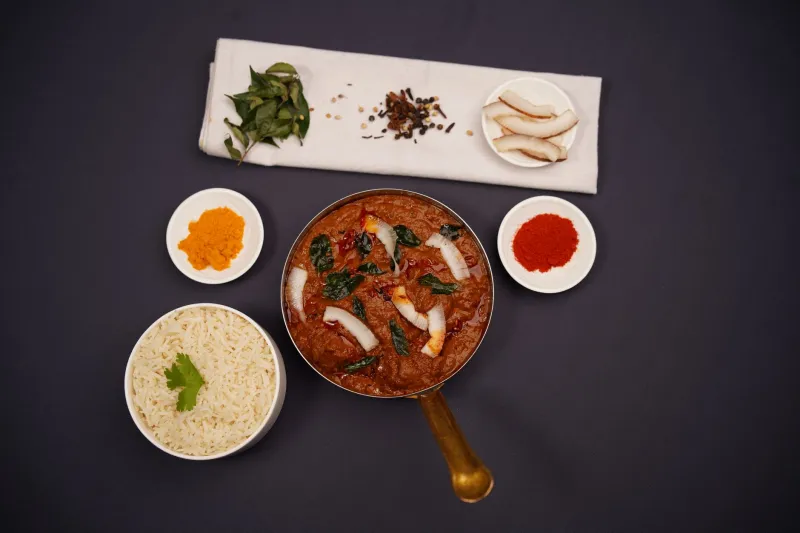
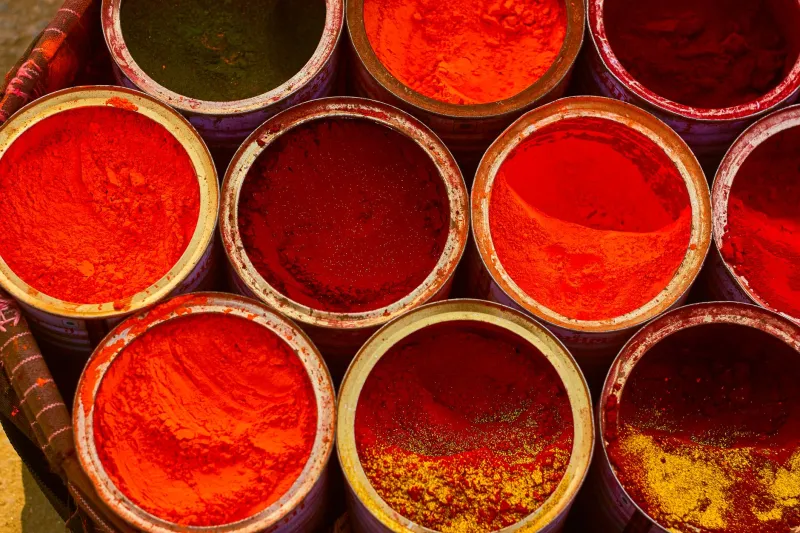
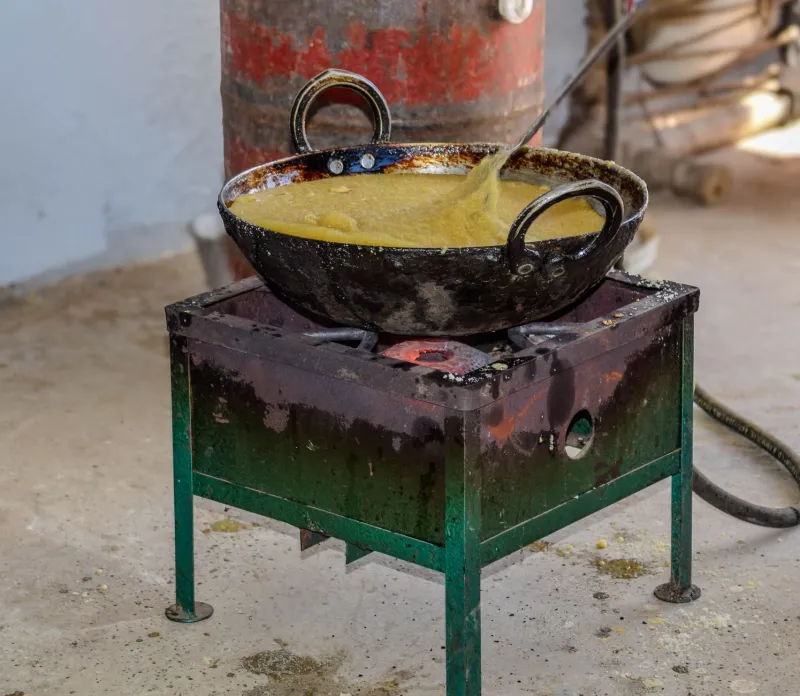
The Secret Behind Chettinad's Best Cooks? They Never Make the Same Dish Exactly Twice
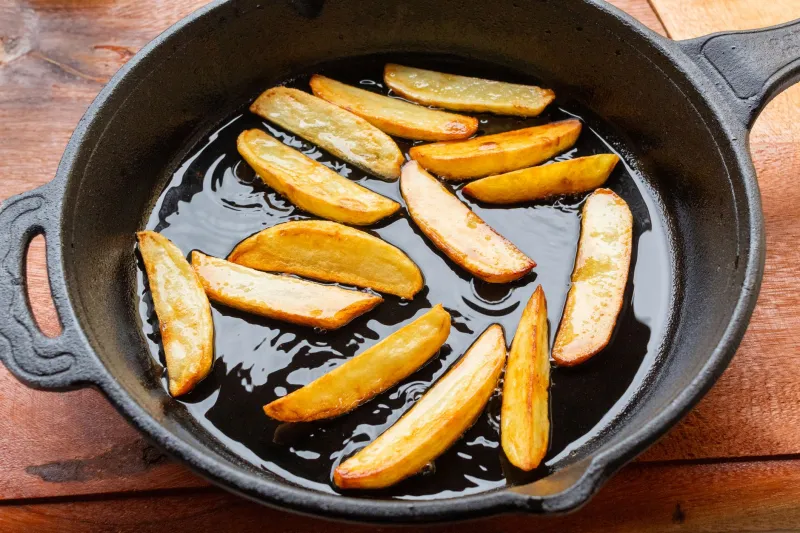
If you've ever watched a seasoned Chettinad cook work a pan of spices, you might notice something a little unsettling: they're not really watching the clock. They're not measuring. And they're definitely not following the same steps they used last Tuesday. The spices go in when they go in. The heat adjusts based on something you can't quite name. And the result? Somehow better every single time.
This isn't carelessness. It's one of the most sophisticated cooking philosophies you'll find anywhere in the world — and once you understand it, it'll change the way you cook everything.
Why Rigid Recipes Can Actually Work Against You
Western cooking has a deep love affair with precision. We measure in teaspoons, set timers to the minute, and follow recipe steps like they're instructions for assembling furniture. There's real value in that — especially when you're learning. But there's also a ceiling.
Here's the thing about spices: they're alive. Or at least, they were. A jar of cumin seeds that's been sitting in your pantry since last winter behaves differently than a batch that arrived last week. A humid August afternoon in Houston pulls moisture into your cast iron in ways that a dry Denver February simply doesn't. The fat you're using — whether it's coconut oil, ghee, or a neutral vegetable oil — has its own smoke point, its own flavor release curve.
Chettinad cooks have always known this. Their entire approach to tempering and spice preparation is built around the understanding that the same ingredient, on a different day, in a different season, needs to be treated differently to produce the same quality of result.
What "Tempering" Really Means in Chettinad Cooking
In most American cooking guides, tempering spices gets a brief mention: heat oil, add whole spices, wait for them to sizzle. Done. Move on.
In Chettinad cooking, that moment is the whole game.
The Chettinad kitchen — rooted in the Karaikudi region of Tamil Nadu — relies on a technique called thalippu (sometimes spelled tadka in other regional traditions, though the Chettinad version has its own distinct character). It's the process of blooming whole spices in hot fat to release their volatile aromatic compounds before anything else hits the pan.
But here's what the simplified Western explanation misses: the right moment to add each spice is not a fixed point in time. It's a sensory judgment call. Mustard seeds should pop, but not scorch. Curry leaves need to crackle and go almost translucent at the edges — too early and they're grassy, too late and they're bitter. Dried red chilies want to puff and deepen in color without crossing into acrid territory.
Every one of those signals shifts depending on the humidity in your kitchen, the freshness of the spice, the thickness of your pan, and even how cold your oil was when you started.
Humidity, Season, and the Living Kitchen
This is where Chettinad cooking gets genuinely fascinating — and where it diverges most sharply from the standardized approach most of us learned.
In South India, cooking has always been seasonal in a very practical sense. Monsoon season brings high humidity that affects how spices behave in a hot pan — moisture in the air can cause spattering, uneven toasting, and a muted aromatic release. Experienced cooks compensate by lowering heat slightly, working in smaller batches, and extending the toasting time just enough to drive off that extra moisture.
In the dry summer months, the opposite risk applies: spices can go from perfectly toasted to burned in a matter of seconds. The pan runs hotter, the fat shimmers faster, and the window for perfect tempering narrows.
For American home cooks, this translates directly. If you're cooking in Phoenix in July versus Seattle in November, your spices are living in completely different conditions. Your kitchen's ambient temperature, your stove's quirks, even whether you've got the AC cranked — all of it matters.
Learning to Read the Pan
So how do you actually develop this kind of intuition? The honest answer is: you cook a lot, and you pay attention while you're doing it.
But there are some practical anchors that can accelerate the process.
Smell before you see. The aroma of toasting spices changes before the visual cues do. When mustard seeds start to smell nutty and slightly smoky — not sharp and raw — they're close. Train yourself to lift your nose before you reach for a spoon.
Listen actively. The sound of spices in hot fat is genuinely informative. A vigorous, high-pitched sizzle means your oil is hot enough. A sluggish, low bubble means you need more heat or your spices are holding moisture. A sudden silence often means you've gone too far.
Touch the pan, not the timer. Hold your hand six inches above the pan surface. You'll feel the heat radiating differently at different stages. This is an old-school technique that professional cooks use all the time, and it's more reliable than any timer for something as variable as spice tempering.
Adjust in real time. If something smells like it's moving too fast, pull the pan off the heat entirely for ten seconds. Chettinad cooks do this constantly — the pan comes up, the heat drops, the cook reassesses. It's a conversation, not a formula.
Why This Produces Better Flavor
The reason Chettinad food tastes the way it does — layered, complex, with an aromatic depth that hits you in waves rather than all at once — is directly tied to this adaptive approach.
When you toast spices to exactly the right point for that batch, on that day, you're extracting a fuller spectrum of aromatic compounds. You're not stopping short because a timer went off, and you're not pushing past the peak because you weren't paying attention. The flavor is more complete.
Standardized recipes, by contrast, are calibrated for average conditions. They're written to work reasonably well most of the time — which means they rarely produce the best possible result on any given day.
Bringing This Into Your Own Kitchen
You don't need to throw out your recipes. Start smaller: the next time you temper spices for a curry or a dal, put the recipe down for just that one step. Watch the pan. Smell what's happening. Listen to the sizzle change.
Stocking your pantry with high-quality, fresh Chettinad spices helps enormously here — fresher spices are more expressive and give you clearer signals to read. Stale spices are quieter, which makes learning this technique much harder.
Over time, you'll start to notice patterns. You'll know what "ready" smells like for your stove, your pans, your kitchen. And that's when cooking stops feeling like following instructions and starts feeling like something else entirely — something closer to what Chettinad cooks have been doing for generations.
Not the same dish twice. Just the best dish possible, every single time.