Turn Boring Weeknight Dinners Into Something Worth Talking About — With Chettinad Cooking
Let's be honest. Most weeknight dinners aren't exactly inspiring. You get home, stare into the fridge for a few minutes, and end up defaulting to whatever's easiest — boxed pasta, a rotisserie chicken you don't really feel like eating, or some jarred sauce that tastes like it was designed by a committee. It gets the job done, but it doesn't exactly make you excited to sit down at the table.
Here's the thing: it doesn't have to be that way. And the fix doesn't require a culinary degree, a weekend of meal prep, or a grocery haul from a specialty store. What it requires is a different approach to flavor — specifically, the kind of layered, intentional flavor-building that's been central to Chettinad cooking for centuries.
What Makes Chettinad Cooking Different
Chettinad cuisine comes from the Chettinad region of Tamil Nadu in South India, and it has a reputation for being one of the most complex, aromatic food traditions in the world. That reputation is well-earned. But what often gets lost in the conversation about Chettinad food is how practical the underlying techniques actually are.
At the core of Chettinad cooking is a principle that experienced home cooks everywhere would recognize: flavor comes from process, not just ingredients. The spices aren't just thrown in at the end. They're bloomed in oil, layered at different stages of cooking, and built up slowly so that each component has a chance to do its job. The result is a depth of flavor that's hard to achieve any other way — and nearly impossible to replicate from a jar.
The good news? Once you understand the basic method, it's surprisingly fast to execute.
The Tempering Step That Changes Everything
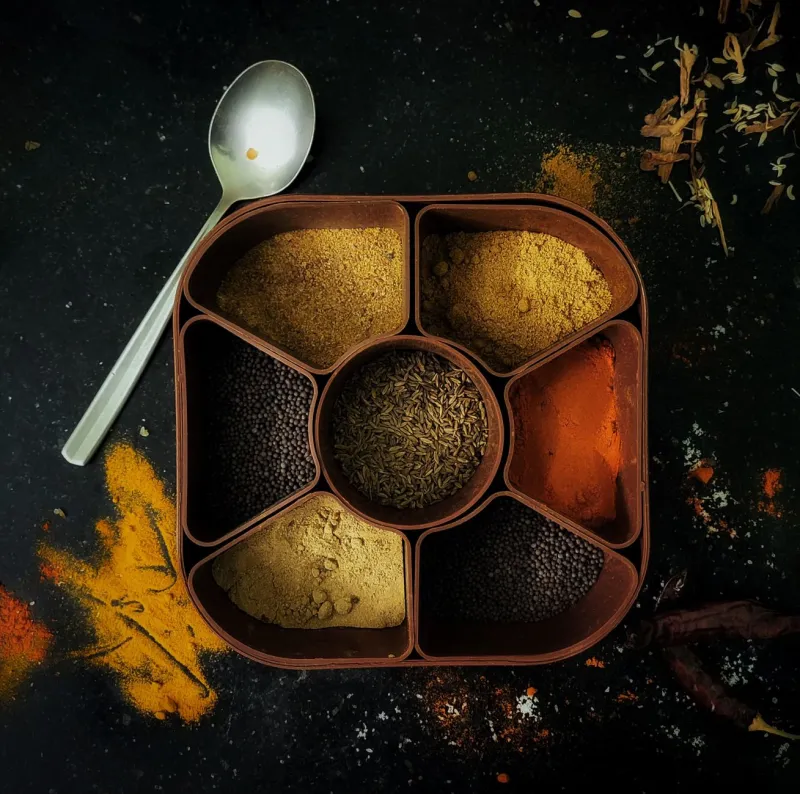
If there's one technique worth stealing from Chettinad cooking and dropping straight into your weeknight routine, it's tempering. Also called tadka in some South Indian traditions, tempering is the practice of heating whole spices — mustard seeds, dried red chilies, curry leaves, cumin — in hot oil or ghee until they bloom and release their essential oils.
This happens in the first 60 to 90 seconds of cooking. Before any protein hits the pan, before any vegetables go in, you're building a flavor base that infuses the entire dish. The oil carries those aromatic compounds through everything that cooks in it afterward.
For American home cooks used to sautéing onions and calling it a day, this is a genuine revelation. The same chicken breast or handful of shrimp you've cooked a hundred times before tastes completely different when it hits a pan that's already been seasoned this way.
Layering Spices at the Right Moments
Chettinad cooks don't add all their spices at once. Ground spices go in at a different stage than whole ones. Some aromatics — like fresh ginger and garlic — are added to the oil early. Others, like fresh herbs or finishing spices, come in right at the end.
This sequencing is what creates complexity. When everything goes in at the same time, spices tend to compete with each other. When they're added in stages, they integrate and build on one another.
A practical way to apply this in your own kitchen: split your spices into two groups before you start cooking. One group goes into the hot oil at the beginning — whole spices and anything that benefits from direct heat. The second group gets stirred in once your main ingredients are partially cooked and there's some moisture in the pan. That second addition blooms differently, adding brightness and punch rather than depth.
It sounds like a small adjustment. The difference in your finished dish is not small.
Quick Gravies That Don't Require Hours
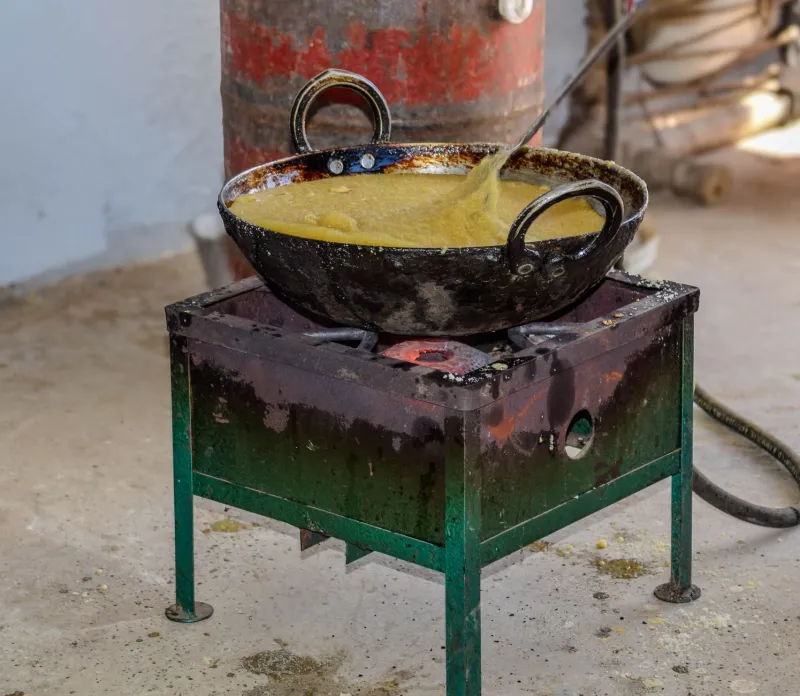
One of the hallmarks of Chettinad cuisine is the slow-cooked gravy — a deeply flavored, slightly thick sauce that's built from scratch using whole spices, aromatoes, and sometimes coconut or tamarind. Traditionally, these gravies simmer for a long time. But the flavor logic behind them can be adapted for a faster weeknight context.
The key is building your gravy base quickly and intensely. Start with your tempered oil, add finely diced onion and cook it down fast over medium-high heat, then add your spice paste or ground spices and cook that out for a couple of minutes until the raw smell disappears. Add a small amount of liquid — crushed tomatoes, coconut milk, or even just water — and let it reduce.
From start to finish, you can have a legitimate Chettinad-style gravy base ready in about 12 to 15 minutes. Everything else — your protein, your vegetables — finishes cooking in that sauce. The total time for a complete meal is well under 45 minutes, and the flavor is genuinely restaurant-level.
Making It Work With What You Already Have
Here's where Chettinad techniques really shine for American home cooks: they work with ordinary ingredients. Chicken thighs, chickpeas, cauliflower, ground lamb, shrimp — these are all fair game. The cuisine itself is built around transforming humble proteins and vegetables into something extraordinary through the application of bold, complex spicing.
You're not reinventing your grocery list. You're changing what you do with the food once it's in your kitchen.
A few easy swaps to get started:
- Replace jarred pasta sauce with a quick tomato-based Chettinad gravy. Same pasta, completely different flavor profile.
- Use tempered spice oil as a base for roasted vegetables instead of plain olive oil. Toss your broccoli or sweet potatoes in it before they hit the sheet pan.
- Add curry leaves and mustard seeds to your standard sauté for eggs, potatoes, or lentils. It takes 30 seconds and the flavor jump is significant.
- Finish soups and stews with a small tempering poured over the top. It adds a layer of brightness that makes everything taste more intentional.
The Pantry Is the Real Shortcut
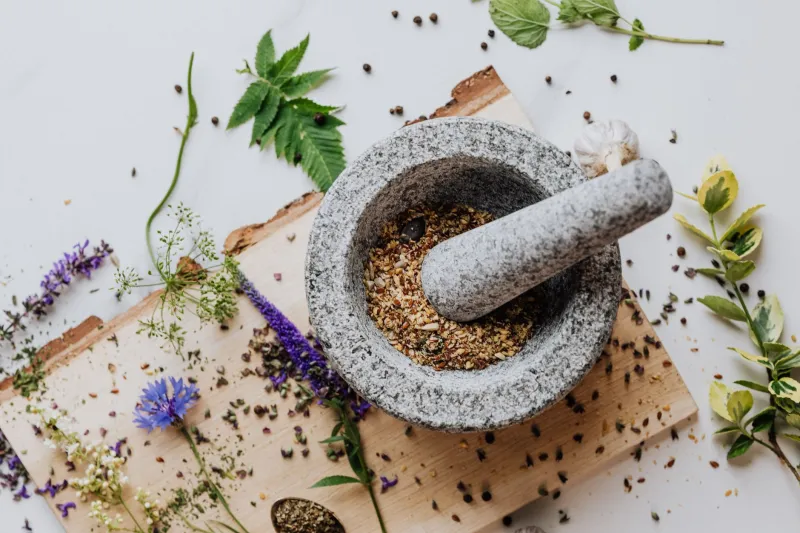
All of this becomes easier — and faster — when you have the right ingredients on hand. A well-stocked Chettinad pantry isn't complicated, but it does require a few specific items: whole spices like kalpasi (stone flower) and marathi mokku (dried flower pods), quality curry leaves, good tamarind paste, and a reliable blend of ground Chettinad spices.
These aren't things you'll find easily at a standard American grocery store, but they're exactly what we stock at Chettinad Shop. Having them within reach means the difference between a weeknight dinner that's genuinely exciting and one that's just... fine.
The Bigger Point
Chettinad cooking isn't a special-occasion cuisine. It's a practical, deeply intelligent approach to flavor that developed over generations in home kitchens, not restaurants. The techniques are fast once you know them. The ingredients are flexible. And the results are the kind of food that makes people put down their phones at dinner.
That's a pretty good argument for learning a few new tricks.