How Chettinad Spice Merchants Cracked the Code on Flavor Pairing — Before Food Science Was Even a Thing

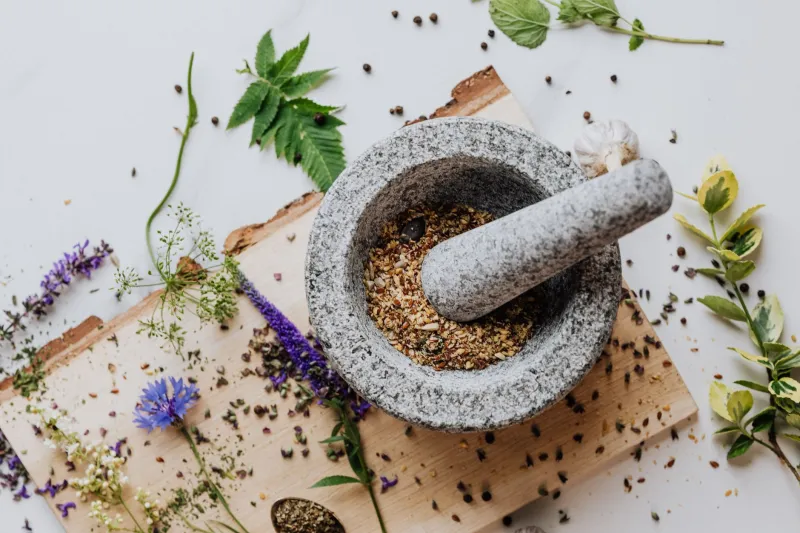
Photo by Photo by Akhil Chandran on Unsplash on Unsplash
There's a particular kind of confidence you notice in experienced Chettinad cooks. They don't hover over measuring spoons. They don't second-guess the pot. They reach for spices the way a jazz musician reaches for a chord — intuitively, purposefully, with a sense of where the whole thing is going.
That confidence didn't come from cookbooks. It came from a tradition of spice trading that stretched across centuries, through ports and markets where merchants learned to understand flavor the way a sommelier understands wine. These traders weren't guessing. They were working from a deeply internalized framework — one that modern food science is only now catching up to.
The good news? That framework is learnable. And once you understand the logic behind five foundational Chettinad spice pairings, you'll start cooking with the same kind of instinct.
Why Pairings Matter More Than Individual Spices
Most American home cooks think about spices one at a time. You add cumin for earthiness. You add chili for heat. You add turmeric for color. That's not wrong — but it's only half the picture.
Chettinad culinary tradition treats spices as a conversation, not a monologue. The real flavor happens at the intersection — where one spice amplifies, softens, or transforms another. Spice merchants who spent their careers handling raw ingredients understood this at a sensory level. They knew that certain compounds in one spice would unlock aromatic potential in another, making the combined effect far more complex than either ingredient alone.
Food scientists call this phenomenon "flavor bridging." Chettinad merchants just called it good cooking.
The Five Pairings Worth Memorizing
1. Kalpasi (Stone Flower) + Black Pepper
Kalpasi — a dried lichen used almost exclusively in Chettinad cooking — is one of the cuisine's best-kept secrets. On its own, it smells musty, almost medicinal. Strange stuff. But paired with freshly cracked black pepper, something remarkable happens. The earthy, forest-floor depth of kalpasi anchors the bright, piney heat of the pepper, giving it a lingering warmth that stays on the palate rather than fading fast.
This is why Chettinad pepper chicken hits differently than any other pepper dish you've had. The kalpasi isn't just a background note — it's the reason the pepper has staying power. Use this pairing in any slow-cooked meat dish where you want heat that builds gradually rather than punches upfront.
2. Marathi Mokku (Dried Flower Pods) + Fennel Seeds
Marathi mokku, the dried pods of the kapok tree, show up in virtually every Chettinad spice blend worth its salt. They have a faintly astringent quality that might seem odd until you pair them with fennel seeds. The fennel's natural sweetness and anise-forward aroma soften marathi mokku's rough edges, while the pods provide a structural backbone that keeps fennel from tasting candy-like in savory applications.
Together, they create what can only be described as a "rounded" flavor — the kind of depth that makes you wonder why a dish tastes complete without being able to identify exactly what's in it. Try this pairing in lentil-based dishes or anywhere you'd normally reach for just fennel and feel like something's missing.
3. Star Anise + Cinnamon (Not the Way You Think)
Both of these spices are familiar to American cooks, mostly from baking or holiday drinks. In Chettinad cooking, they're used in savory applications at the very beginning of cooking — bloomed in oil before anything else hits the pan.
The pairing works because star anise carries eugenol, the same aromatic compound found in cinnamon. When you put them together in hot oil, they amplify each other's warmth without either one dominating. The result is a base note that reads as "rich" and "complex" rather than specifically identifiable as either spice.
The merchant's trick here: use small amounts of both rather than a larger amount of just one. Half a star anise and a one-inch cinnamon stick will outperform a full pod or a full stick used solo, every time.
4. Dried Red Chilies + Curry Leaves
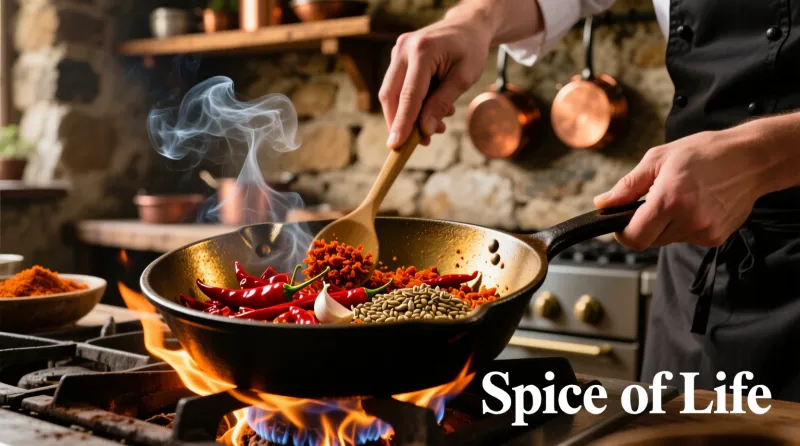
This might be the most underestimated pairing in all of South Indian cooking. Dried red chilies — the long, moderately hot variety common in Chettinad cooking — have a fruity, slightly smoky heat when tempered in oil. Curry leaves, added to the same oil, release a citrusy, almost grassy aroma that cuts through the richness of the chili.
What's actually happening here is a textbook case of flavor contrast creating balance. The chili's warmth needs something bright to keep it from feeling heavy, and curry leaves provide exactly that lift. Drop either ingredient from the tempering, and the dish feels one-dimensional. Together, they create the aromatic signature that makes Chettinad food instantly recognizable.
If you're cooking for American guests who are chili-cautious, this pairing is your friend — the curry leaves make the heat feel lighter and more approachable than the chili count would suggest.
5. Coriander Seeds + Cumin (In a Very Specific Ratio)
Yes, this pairing exists in cuisines around the world. But the Chettinad approach has a specific twist: the ratio leans heavily toward coriander, often two or three parts coriander to one part cumin. Most Western spice blends go roughly equal, or even cumin-forward.
The reason this matters is that coriander seeds carry a lemony, floral quality that gets completely buried when cumin dominates. By letting coriander lead, you get a brightness in the spice base that lifts the entire dish — especially in gravies and braised preparations where everything tends toward heaviness over long cooking times.
Merchants who traded these seeds separately understood their individual characters intimately. They weren't blending by habit — they were calibrating. You can apply this principle to any dish where the base feels muddy or flat: check your coriander-to-cumin ratio before you add anything else.
How to Actually Use This Knowledge
Learning these pairings isn't about memorizing rules — it's about building a mental map of how flavors relate to each other. Once you understand that kalpasi extends pepper's heat, or that marathi mokku needs fennel's sweetness as a counterweight, you can start making judgment calls mid-cook that no recipe card could ever anticipate.
Start by picking one pairing and focusing on it for a few weeks. Cook the same dish twice — once with just one of the spices, once with both — and pay attention to what changes. That's exactly how spice merchants trained their palates: through repetition, comparison, and careful attention.
The recipes on this site are a starting point. But the goal — the real goal — is to understand the logic behind them well enough that you don't need them anymore. That's the confidence Chettinad cooking has always been built on, and it's available to any home cook willing to pay attention.
Your spice rack is already halfway there. You just needed the framework to make sense of it.