Your Balcony Can Be a Chettinad Spice Garden — Here's How to Pull It Off

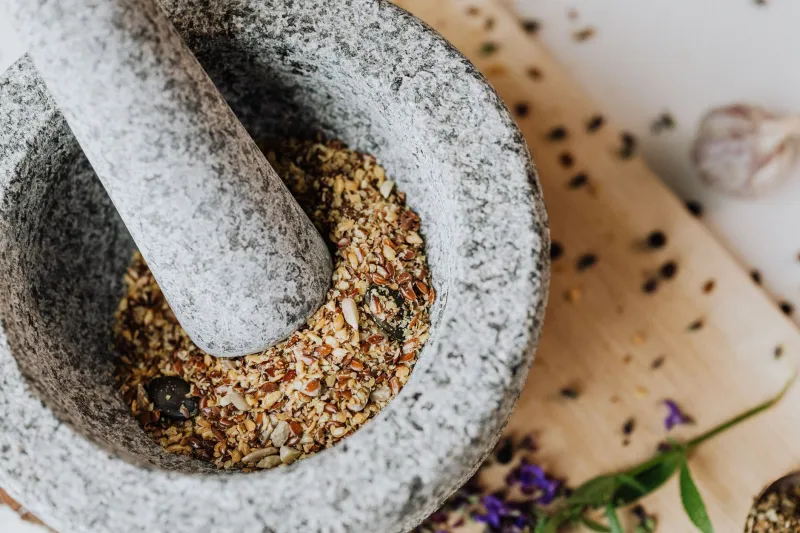
Photo by Photo by Mạnh Ngô on Unsplash on Unsplash
Anyone who's cooked seriously with curry leaves knows the frustration. You find a pack at an Indian grocery store, bring it home, and by the time you've made two dishes it's either dried out or turned yellow in the fridge. Fresh curry leaves — the kind that crackle and bloom the second they hit hot oil — are simply a different ingredient than the dried version. The same goes for fenugreek greens and freshly snipped coriander.
The good news? You can grow all of these yourself, even if your "outdoor space" is a narrow balcony in Chicago or a south-facing window in Seattle. Chettinad cooking has always been rooted in resourcefulness, and growing your own herbs is about as resourceful as it gets.
Why Homegrown Beats Store-Bought Every Single Time
Let's be direct about this. Dried curry leaves carry a shadow of the flavor you actually want. The volatile oils that give fresh leaves their citrusy, slightly nutty punch start degrading the moment the leaf is separated from the branch. By the time a dried packet travels from a farm, through a distributor, onto a store shelf, and into your pantry, you're working with a fraction of the original flavor.
Fresh curry leaves off a plant you grew yourself? That's the real thing. Drop them into a hot pan of coconut oil with mustard seeds and dried chilies, and your kitchen will smell like someone's grandmother just walked in. That aroma is not an exaggeration — it's chemistry. The same principle applies to coriander and fenugreek. Freshness is flavor, and once you've cooked with herbs you've grown, it's genuinely hard to go back.
Curry Leaves: The Star of the Show
The curry leaf plant (Murraya koenigii) is a subtropical tree, which means it does not love frost. In USDA zones 9–11 — think Southern California, South Florida, and parts of Texas — you can grow it outdoors year-round in a large pot. Everywhere else, plan to bring it inside from October through April.
Start with a nursery plant if you can find one; growing from seed is slow and can test your patience. Indian grocery stores in larger US cities sometimes sell rooted cuttings, which is an even faster route. Pot it in well-draining soil with a generous mix of perlite, and give it a spot that gets at least six hours of direct sun daily. A south-facing window works well indoors.
Water moderately — curry leaf plants hate sitting in soggy soil. Feed them with a balanced fertilizer every few weeks during the growing season (spring through early fall). Once the plant is established and bushy, you can harvest leaves regularly without stressing it out. Just avoid stripping entire branches at once.
One important note: if your plant flowers, pinch off the blooms. Letting it fruit redirects energy away from leaf production, and leaves are what you're after.
Fenugreek: Faster Than You'd Think
Fenugreek (Trigonella foenum-graecum) is one of the most satisfying herbs to grow because it sprouts and matures quickly — you can go from seed to harvest in as little as three to four weeks. Both the seeds and the greens (methi) show up in Chettinad cooking, and growing your own gives you access to the fresh greens, which are harder to find in US supermarkets.
Sow seeds directly into a container at least eight inches deep. Fenugreek has a taproot, so depth matters more than width. It prefers cooler temperatures — somewhere between 50°F and 70°F is ideal — which actually makes it a good candidate for late fall or early spring growing on a balcony in milder climates, or on a cool windowsill in winter.
Thin the seedlings to about two inches apart, water consistently, and you'll have tender young greens ready to snip within a month. Use them in dals, chutneys, or as a fresh addition to slow-cooked Chettinad gravies where the slight bitterness of methi adds real depth.
Coriander: Succession Plant It or You'll Run Out
Coriander (Coriandrum sativum) is the herb that most US cooks already know as cilantro, but in a Chettinad kitchen it pulls double duty — fresh leaves for finishing dishes and dried seeds for grinding into spice blends. The challenge with coriander is that it bolts fast, especially in warm weather. One week you have a lush plant, and a week later it's all stems and flowers.
The solution is succession planting: sow a small pot every two to three weeks so you always have a batch at the right stage. Use a wide, shallow container (coriander doesn't need much depth) and plant seeds in well-draining potting mix. Keep the soil consistently moist but not waterlogged.
In summer, move pots to a spot with partial afternoon shade to slow bolting. In winter, a sunny indoor windowsill works fine. If you do let a plant bolt and go to seed, collect those seeds — they're coriander seeds, which are their own essential Chettinad pantry item.
Container Tips for Small Spaces
If you're working with a balcony or a collection of windowsills, smart container choices make a big difference.
- Go vertical where you can. A tiered plant stand or wall-mounted pocket planters let you fit more plants into a small footprint.
- Terracotta breathes, but plastic retains moisture. For curry leaf plants that need consistent watering in dry indoor air, plastic or glazed ceramic pots can help.
- Drainage is non-negotiable. Every pot needs holes at the bottom. Set them on saucers, but empty those saucers after watering so roots never sit in standing water.
- Grow lights are worth it for dark apartments. A basic LED grow light on a timer (14 hours on, 10 hours off) can keep curry leaf plants alive and productive through a northern winter when natural light just isn't enough.
Connecting the Garden to the Kitchen
Here's where it all comes together. When you're cooking a Chettinad chicken curry or a simple rasam and you walk over to your plant, pull a fresh sprig of curry leaves, and drop them into the tempering oil, something shifts. The dish tastes more alive. The connection between the growing and the cooking makes you more attentive — you notice the smell, the sound, the color in a way that reaching for a jar doesn't quite inspire.
That attentiveness is actually central to Chettinad cooking philosophy. These are dishes built on layered, deliberate flavors. Growing even one or two of the herbs yourself puts you in a different relationship with the ingredients, and that shows up on the plate.
Start with just a curry leaf plant and a pot of coriander. See how it changes the way your kitchen smells on a Tuesday night. Then add fenugreek. Before long, your balcony will be doing real culinary work — and your food will taste like it.