One Can of Coconut Milk, Infinite Depth: The Chettinad Method That Changes Everything
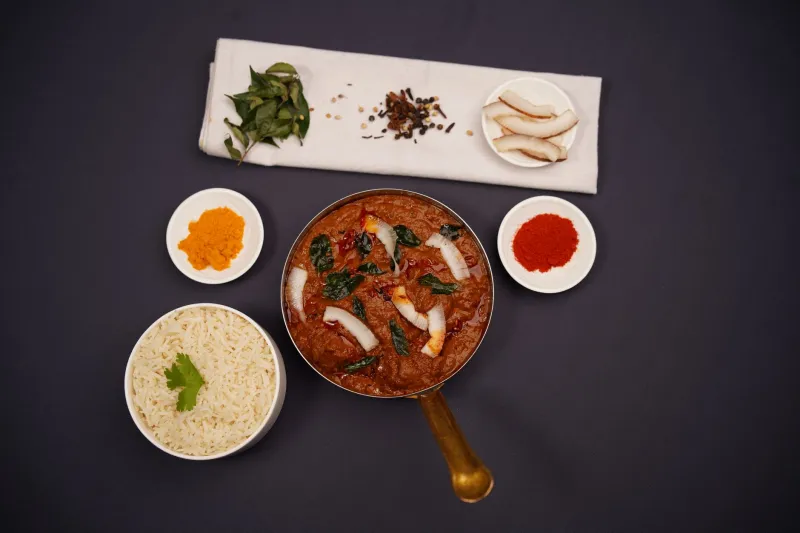
You've probably done it before. You crack open a can of coconut milk, pour it into a pan, add your curry paste, and wait. The result is fine. Maybe even pretty good. But there's a flatness to it — a kind of one-note sweetness that doesn't quite match what you get at a great South Indian restaurant, where the curry seems to have layers you can't fully identify or explain.
Here's the thing: the gap between that canned result and a genuinely complex, restaurant-grade curry base isn't about ingredients. It's about technique. Specifically, it's about the way traditional Chettinad cooks treat each component before it ever touches the coconut milk.
This is one of the most transferable lessons from Chettinad cuisine — a tradition built on making the most of what's available by understanding how flavor actually develops. Once you see it, you can't unsee it.
Why Coconut Milk Alone Falls Flat
Coconut milk is a rich, fatty liquid. That fat is actually one of its greatest assets — but only when you use it correctly. When you pour cold coconut milk directly into a pan, the fat and water are emulsified together. The heat eventually brings it to temperature, but you've skipped something crucial: the opportunity to crack that emulsion deliberately, separate the fat, and use it as a cooking medium.
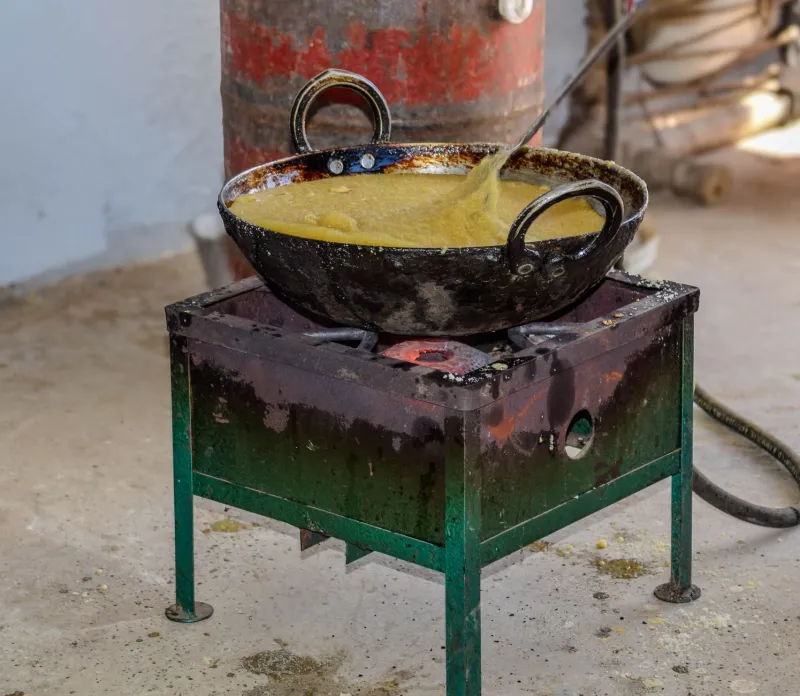
Chettinad cooks don't just add coconut milk to a dish. They often start with it, letting it simmer uncovered until the water evaporates and the coconut oil separates and rises to the surface. This stage — sometimes called "coconut milk reduction" or simply knowing when the oil splits — is where everything changes. That released coconut oil becomes the base in which you fry your aromatics. It carries flavor differently than vegetable oil. It's richer, slightly sweet, and it coats spices in a way that makes their volatile compounds bloom faster and more completely.
If you've never tried this, it's one of those moments in the kitchen that genuinely surprises you.
The Tempering Sequence That Does the Heavy Lifting
Once your coconut oil has separated, you're not just cooking anymore — you're building architecture. The Chettinad approach to tempering (called thalippu in Tamil) is precise about order, and that order matters more than most Western recipes acknowledge.
Here's a sequence that home cooks can use as a starting framework:
1. Whole spices first, always. Mustard seeds go in before anything else. Let them pop — fully pop, not just sizzle — before you add anything else. This is non-negotiable. Underpopped mustard seeds taste bitter and sharp. Fully popped seeds have a nutty, almost smoky quality that reads as depth.
Dried red chilies and curry leaves follow almost immediately. The curry leaves will crackle and spit (stand back), and that sound is the sound of their essential oils releasing into the fat. This is what you want.
2. Aromatics next, low and slow. Onions go in after the whole spices. In Chettinad cooking, onions are often cooked far longer than American recipes suggest — sometimes 15 to 20 minutes over medium-low heat until they're deeply golden and jammy. This isn't about caramelization for sweetness. It's about building a savory, sticky base that anchors everything else.
Ginger and garlic join at the tail end of the onion cook, just long enough to lose their raw edge without burning.
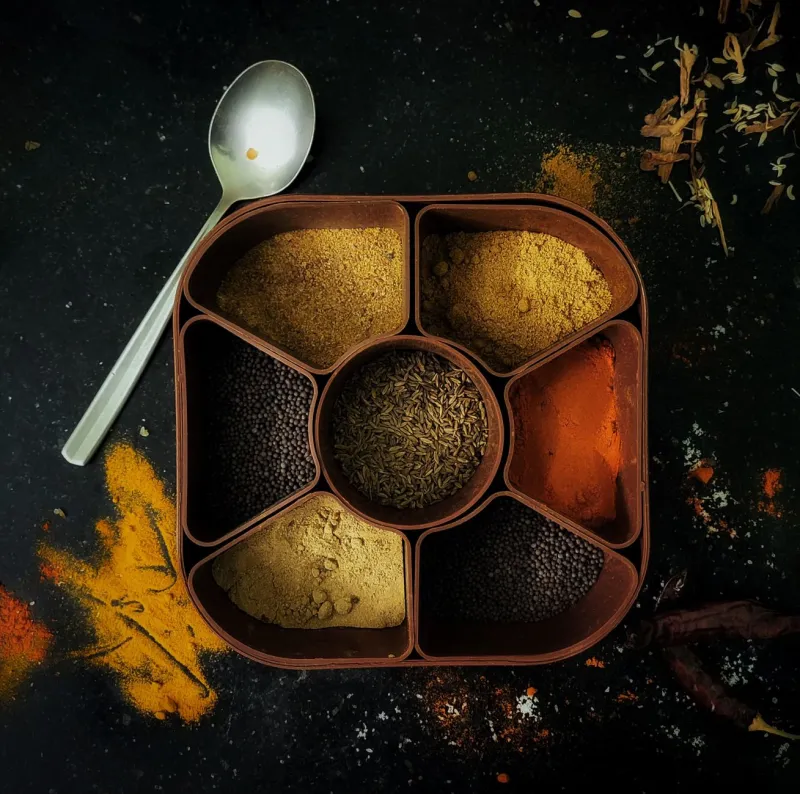
3. Dry spice toasting — the step most people skip. Before adding ground spices directly to the wet pan, Chettinad cooks often toast them briefly in the dry pan, or add them to the oil before any liquid is introduced. Ground coriander, cumin, and black pepper need a moment of direct heat contact to fully open up. Thirty seconds. Maybe a minute. Watch the color and trust your nose — when they smell fragrant and slightly toasty rather than raw and dusty, they're ready.
Bringing the Coconut Milk Back In
Now, here's where the technique loops back on itself in a satisfying way. You've built your aromatic base in coconut oil. You've toasted your spices. Now you add the remaining coconut milk — either from the same can you started with, or a fresh one if you want a richer final dish.
Because your base is already deeply flavored, the coconut milk isn't carrying the weight of the whole dish. It's enriching something that already has structure. It cooks down again, this time absorbing all those layered flavors and pulling them into a cohesive, silky sauce.
The difference in the final result is not subtle. You get body. You get complexity. You get that thing where someone takes a bite and says, "Wait, what's in this?" — because the flavors are present but not individually identifiable. That's the goal.
A Note on Spice Quality
All of this technique pays off most when your spices are actually alive. Ground spices that have been sitting in a jar for two years will give you a muted version of what's possible, no matter how careful your tempering sequence is. If your coriander smells more like cardboard than citrus, or your cumin has lost its warm, earthy punch, the technique can only do so much.
This is why sourcing matters as much as method. The spices you start with set the ceiling for what's achievable. Fresh, properly stored whole spices that you grind yourself — or high-quality pre-ground spices from a reliable source — make every step of the Chettinad method hit harder.
You Don't Need to Reinvent Your Pantry
What makes this approach so practical for American home cooks is that it doesn't require a single obscure ingredient. Coconut milk is at every grocery store. Mustard seeds, curry leaves, dried chilies, coriander, cumin — these are all accessible. The transformation comes entirely from how you use them.
That's the deeper lesson Chettinad cuisine keeps offering: flavor isn't a function of exotic ingredients. It's a function of knowledge, patience, and respect for the process. A generation of home cooks in Tamil Nadu built one of the world's most complex culinary traditions with what was available to them. The technique was always the point.
So next time you reach for that can of coconut milk, don't pour it straight in. Let it split. Build your base in what comes out. Toast your spices before they get wet. Follow the sequence. What you'll end up with will taste like it took all day — and it'll take you maybe forty minutes.