The Chettinad Way to Host: Eight Guests, One Relaxed Host, Zero Kitchen Panic
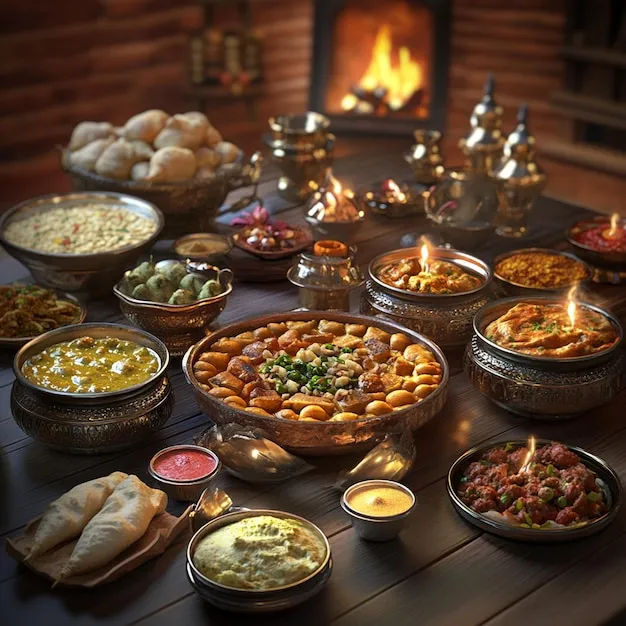
Photo: Indian dinner party table spread curry dishes friends gathering, via img.freepik.com
Every American host knows the feeling. You invited eight people over because you wanted to see them, and now you're sweating over the stove at 7:40 while your guests laugh at a joke you didn't hear, asking through the kitchen doorway if you need help. You don't need help. You need a different system.
The good news: that system already exists. Chettinad cuisine — the famously spice-rich cooking tradition from Tamil Nadu — evolved largely around feeding crowds. Weddings, festivals, family gatherings of fifty. And the cooks who mastered it built their menus around a simple principle: most dishes should taste better on day two, not day zero.
Here's how to steal that approach for your next dinner party.
The Core Rule: Cook Curries Ahead, Finish Fresh
Chettinad banquet cooking splits the menu into two tiers. The first tier — the kuzhambus (tamarind-based stews), the masala bases, the chutneys — actually improves after a night in the fridge. The spices bloom, the flavors settle into each other, and reheating does them a favor rather than a disservice.
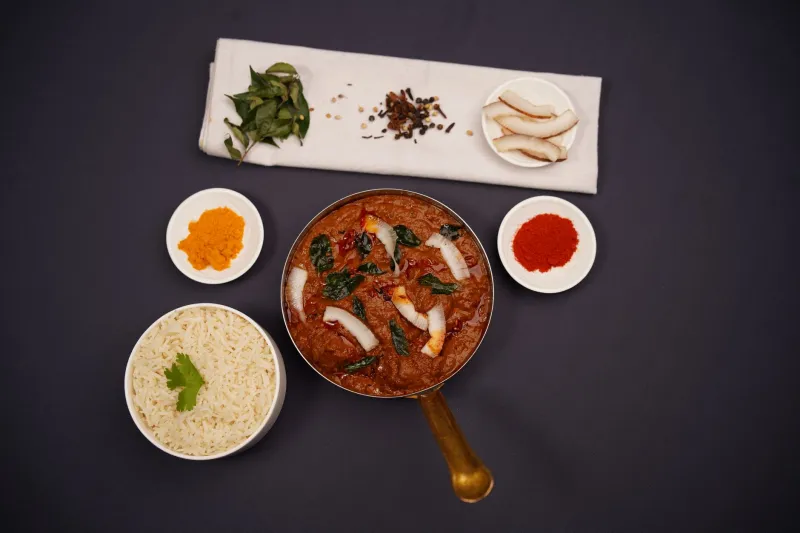
The second tier gets finished in the last fifteen minutes: a quick tempering of mustard seeds and curry leaves in hot oil, poured sizzling over the reheated dish. That one step (which we've covered before) makes a day-old curry taste like it just came off the fire.
Translation for your hosting life: do 80% of the work the day before.
The Make-Ahead Timeline
Two days out: Shop. Make your shopping list and order anything shelf-stable from the chettinad.shop pantry — Chettinad masala blends, whole spices, tamarind, coconut milk. Nothing derails hosting like hunting for black mustard seeds across three grocery stores.
One day out (2–3 hours, total):
- Toast and grind your masala base (or skip it — a good pre-made Chettinad blend saves you 30 minutes and nobody will know)
- Cook the main kuzhambu or curry. Refrigerate overnight.
- Make one dry vegetable dish (poriyal). It reheats beautifully.
- Cook rice. Yes, ahead. Spread it on a sheet pan, cool it, refrigerate. Steam it back to life over a pot of simmering water in ten minutes.
- Make a simple dessert — payasam holds beautifully in the fridge.
Party day (45 minutes, total):
- Reheat curries gently, low heat, splash of water
- Do the tempering — mustard seeds, curry leaves, dried chilies in hot oil
- Steam the rice, warm the papadums
- Change your shirt. Pour yourself a drink.
A Sequenced Menu That Works for Eight
Starter: Vada or a simple spiced nut mix — something you can set out before anyone arrives, so there's food the moment the door opens.
Main: One Chettinad curry (chicken or a hearty vegetable version), one kuzhambu for depth, one poriyal, one kootu if you want to flex. Rice as the anchor. Papadums for crunch.
Finish: Payasam or fresh fruit with a touch of cardamom.
That's it. Four to five dishes sounds like a lot until you realize three of them were done yesterday.
Portion Guidance for American Appetites
Chettinad meals are rice-forward, so scale accordingly:
- Rice: 1.5 cups uncooked per four people; double for eight
- Main curry: Enough for 3–4 oz per person as one component among several
- Sides: Half portions of the main — variety beats volume here
- Papadums: Two per person, always. They vanish.
The Shopping List, Mapped to the Pantry
One order from chettinad.shop covers nearly everything: a Chettinad masala blend, whole black pepper, dried red chilies, mustard seeds, curry leaves (or freeze-dried), tamarind concentrate, coconut milk, and urad dal. Add fresh produce — shallots, tomatoes, green beans, cabbage, one coconut if you're ambitious — from any American grocery store.
Total specialty spend: less than a dinner for two at a mediocre restaurant. And most of it sits in your pantry for months, quietly funding three more dinner parties.
The Real Point
Chettinad hosting culture assumes the cook sits down too. The cuisine was designed — over generations — so that feeding a crowd and enjoying a crowd could happen at the same time. Your guests don't need you at the stove. They need you at the table, second helping in hand, telling them what they're eating and why the curry leaves crackle.
Make it ahead. Temper it fresh. Sit down.