The Next-Day Rule: Why Chettinad Food Tastes Better Tomorrow
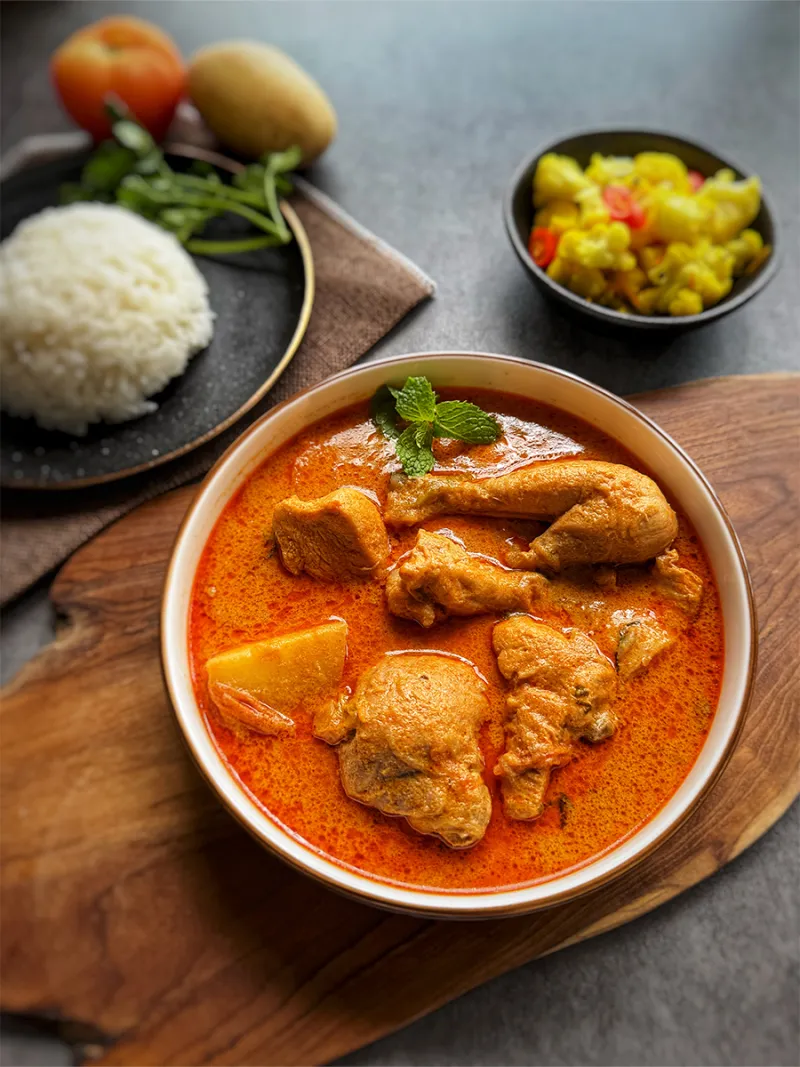
Photo: Bluemantis07, CC BY 4.0, via Wikimedia Commons
There's a moment every Chettinad cook knows. You taste the chicken curry the night you make it and it's good — bright, peppery, a little aggressive. You put the rest away, mildly disappointed that the edge didn't smooth out. The next day you reheat a bowl for lunch and it's a different dish. Deeper. Calmer. Somehow more itself.
This isn't nostalgia or a lower bar for leftovers. Something real happens overnight, and once you understand it, you can plan around it instead of discovering it by accident.
What's Actually Happening in There
Three things, mostly.
First, pepper disperses. The compounds that make black pepper taste sharp are fat-soluble, and given twelve hours in a covered pot, they migrate out of the ground spice particles and into the gravy. The heat stops arriving in spikes and starts arriving as a steady floor. You notice the flavor of the pepper rather than its bite.
Second, acid and salt equilibrate. Tamarind, which is the backbone of a great many Chettinad dishes, tastes almost harsh when it's freshly added — the sourness sits on top of everything. Overnight, it mingles with the fat and the salt and settles into the background, where it belongs. What read as sour becomes what reads as depth.
Third, aromatics mellow. Freshly fried curry leaves, ginger, garlic, and ground coriander all start loud. Time in a sealed container rounds off those volatiles. The dish gets quieter and more legible.
The honest caveat: some things fade. A curry-leaf tempering that sang at dinnertime will be a whisper the next day. That's why good cooks re-temper a small pan of mustard seed and curry leaf right before serving leftovers. Thirty seconds, one small pan, and the dish wakes back up.
Dishes That Genuinely Improve
Not everything belongs on this list, but these almost never disappoint the next day:
- Pepper-forward chicken curries. The classic beneficiary.
- Sambar and most lentil dishes. Legumes soak up the spice base and thicken into something silkier.
- Tamarind-based vegetable curries — brinjal, drumstick, or a mixed vegetable kuzhambu.
- Mutton or lamb curries. Nearly always better on day two.
- Egg curry. The whites are bland; a night in the gravy fixes that.
- Coconut-based gravies made with coconut milk rather than freshly ground coconut.
Cooking for Tomorrow Without Becoming a Batch Cooker
You do not need twelve containers and a Sunday afternoon. The trick is smaller than that: cook one pot as if you were feeding four, then serve three-quarters of it and put the rest away before you sit down.
This matters more than it sounds. Leftovers that sit on the stove while everyone eats, then get transferred cold and tired at 10 p.m., never taste as good as leftovers portioned out hot into a shallow container. Portioning early also stops the slow creep of second helpings that quietly eliminates tomorrow's lunch.
A second habit: make a slightly larger spice base than the dish requires. Bloom your pepper, cumin, and fennel in oil, then set aside a spoonful of that base before the liquid goes in. Stir it back in at the end of reheating and you've restored most of what the fridge took.
Storage Rules That Actually Matter
- Cool fast, store shallow. Spread the curry into a wide container so it drops temperature quickly. A deep pot of hot stew in a cold fridge is a food-safety problem and a flavor problem.
- Glass or stainless steel. Plastic holds onto volatile aromatics and, over time, gives them back at the wrong moment.
- Three to four days, refrigerated. Fish curries, two days, no negotiating. Anything with a lot of fresh coconut, two days.
- Freeze the gravy, not the vegetables. Vegetable curries turn soft and mealy when frozen. Meat curries freeze beautifully for up to two months.
Reheating Without Flattening It
Microwaving a thick curry is how you get a dish that's hot in the middle and tastes like nothing. Use the stovetop, low heat, and a splash of water — two tablespoons is usually enough. Stir often. Bring it to a bare simmer, not a rolling boil, and take it off before it reduces too far.
Then do the tempering. A teaspoon of oil, mustard seeds until they pop, a pinch of curry leaves, thirty seconds. Pour it over the top and don't stir it in all the way.
What Should Never Wait Until Tomorrow
Some things are built for the moment, and saving them is a mistake:
- Anything fried. Vadai, fried fish, chicken 65 — the crust goes from crisp to leather and never comes back.
- Fresh coconut chutney. It turns sour and slack overnight, and the texture is unrecoverable.
- Delicate seafood curries. Shrimp in particular toughens on the second day.
- Dosa and appam. Cook them fresh or don't cook them.
The next-day rule is a tool, not a virtue. Knowing which dishes get better with time is half the skill; knowing which ones you should just finish tonight is the other half.