Cooking Chettinad for One Isn't a Compromise — It's a Practice
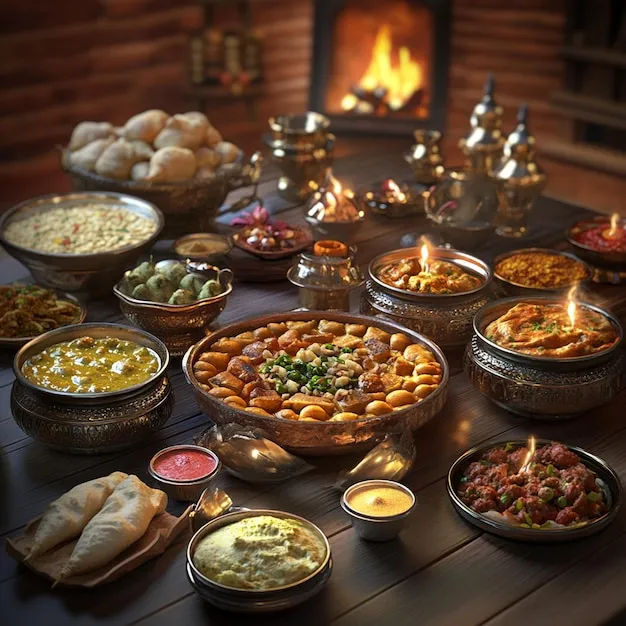
There is a stubborn idea that Chettinad cooking is for crowds. The cuisine does have a feast tradition, and the images that circulate online tend to show long tables, banana leaves, and a dozen dishes at once. But that is a celebration of abundance, not a rule about Tuesday dinner. Cooking Chettinad food for one is not a sad shorthand. It is a practice, and it can be one of the most satisfying ways to cook for yourself.
The trick is not to halve a recipe and hope for the best. It is to scale intelligently, build components that freeze well, and accept that a single serving can still have layers.
The Feast-Cuisine Myth
Chettinad food gets its depth from layering: a spice blend here, a tempering there, a souring agent at the end. None of that requires a crowd. A small batch of pepper masala takes five minutes to grind. A single serving of curry can be made in a small skillet. The cuisine is built on technique, not volume.
What it does require is a little planning. If you cook for one, you are also the shopper, the prep cook, and the person doing dishes. The goal is to make the cooking feel light enough to repeat.
Scale the Spice, Not the Drama
Start with a small-batch pepper masala. Toast two tablespoons of black peppercorns, one tablespoon of coriander seeds, one teaspoon of cumin seeds, and one teaspoon of fennel seeds in a dry pan until fragrant. Add two or three dried red chiles and toast for another thirty seconds. Cool completely, then grind with a pinch of turmeric. Store it in a small jar away from light.
That makes roughly a quarter cup, which is enough for six or seven single-serving curries. You do not need a full shelf of spices. You need a few good ones and a jar that you actually use.
Cook Once, Eat Three Times Without Eating the Same Thing
The most useful strategy for solo Chettinad cooking is component cooking. Make a base once, then use it in different ways. A simple pepper masala curry base can be made with onions, curry leaves, ginger, pepper masala, tamarind, and coconut milk. Cook it down, cool it, and freeze it in half-cup portions.
During the week, thaw one portion and add whatever protein you have: chicken, shrimp, chickpeas, or a fried egg. Serve it over rice, grits, or roasted vegetables. The base stays the same, but the meal does not feel like leftovers.
A Single-Serving Chettinad Plate
A good solo meal has contrast: something starchy, something saucy, something fresh, and something crunchy. Cook a small pot of rice. Spoon over a single-serving curry. Add a quick cucumber salad with lime juice and salt. Top it with a handful of roasted peanuts or fried curry leaves. That is a complete plate, and it takes about twenty-five minutes if the base is already made.
If you want to go a little further, make a small tempering of mustard seeds, curry leaves, and dried red chile in a tablespoon of oil and spoon it over the top. It is a small gesture that makes the whole plate taste finished.
Freezing Without Losing the Point
Not everything freezes well. Coconut milk sauces can separate slightly, but they come back together when reheated gently. Chutneys freeze well in small containers. Cooked rice freezes better than most people think if you cool it quickly and portion it before freezing. What does not freeze well is fresh curry leaves, which lose their texture, or delicate fried snacks, which go soft.
Label everything with the date and the contents. A small chest freezer can become a quiet Chettinad pantry: curry base, chutney, cooked grains, and portioned protein.
Shopping for a Party of One
Buying for one is not about deprivation. It is about buying smart. A small bag of curry leaves will last longer than you think if you dry them or freeze them. Tamarind paste keeps for months in the fridge. Coconut milk can be frozen in ice cube trays. Pepper masala is best made in small batches anyway, because it loses its edge after a few months.
Cooking Chettinad food for one is a way of taking yourself seriously. It is not a compromise on flavor. It is a decision to make dinner worth sitting down for, even when the table has only one chair.