Skip the Wine Bottle: How to Build a Chettinad Spice Tin Nobody Will Regift
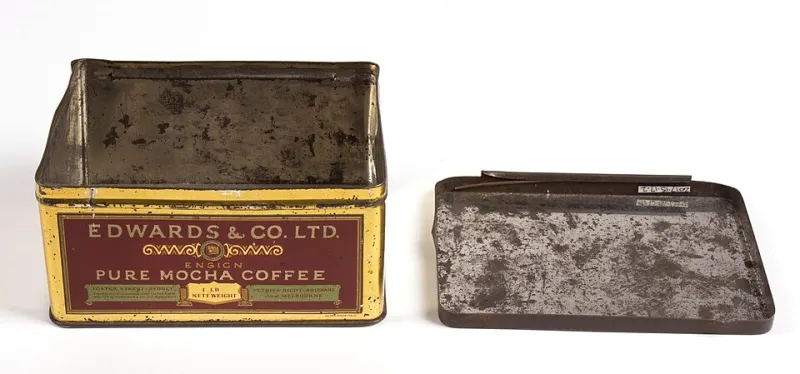
Photo: Edwards & Co, CC BY 4.0, via Wikimedia Commons
Every December, the same scene plays out in a thousand American living rooms. The door opens, the host takes your bottle of wine, thanks you warmly, and adds it to the seventeen bottles already crowding the counter. By mid-January, half are still there. Not because the wine was bad. Because wine is the default, and defaults get shelved.
A small spice tin doesn't have that problem. Nobody has four of them. Nobody quietly re-gifts one in October. And unlike a bottle that gets opened and forgotten by the cheese course, a tin of good pepper and whole spices sits in the cabinet and announces itself every time the host cooks.
This is not an argument against wine. Bring wine to the party. But if you want the gift that gets texted about in February, put a tin in your bag too.
Why a Tin Beats a Bottle (Besides the Obvious)
A bottle says: I thought about this for ninety seconds at the checkout line. A tin says: I thought about how you actually live. It's the difference between a gift that occupies space and a gift that gets used up. Spices are consumable, which means they disappear — and every time they disappear into a pan, your host thinks of you. That's a remarkable return on twenty-five dollars.
There's also a practical honesty to it. Most American kitchens have a spice rack that's five years stale and a pepper grinder that hasn't been refilled since the last move. Giving someone a small, curated set quietly solves a problem they didn't know they had.
The Three Tins, Three Budgets
Keep the container modest. A plain tin, a small glass jar, or a kraft box lined with parchment all work. What matters is that everything inside is whole, fresh, and smells like something.
The $25 Tin — The Neighbor Gift
Four items, small quantities, nothing precious:
- Whole black pepper, two ounces
- Whole cumin, one ounce
- Dried red chilies, a handful
- A small block of tamarind
That's a complete flavor foundation for dal, a quick vegetable stir-fry, or a weeknight chicken dish. Four ingredients is not a stingy gift; it's a legible one. The recipient can see exactly what they've been handed.
The $50 Tin — The Office Exchange Winner
Add depth and one showpiece:
- Black pepper and cumin, as above
- Fennel seed and star anise
- A small jar of a house Chettinad masala blend
- Curry leaves, dried, in a sealed packet
Fennel and star anise are the pair that makes people lean in and ask what they're smelling. The blend saves the recipient from buying eight jars to make one dish, which is the single biggest barrier to cooking outside your comfort zone.
The $90 Tin — For the Friend Who Actually Cooks
The full kit, with the more unusual pieces:
- Everything above
- Kalpasi (stone flower), the lichen that gives Chettinad blends their earthy bass note
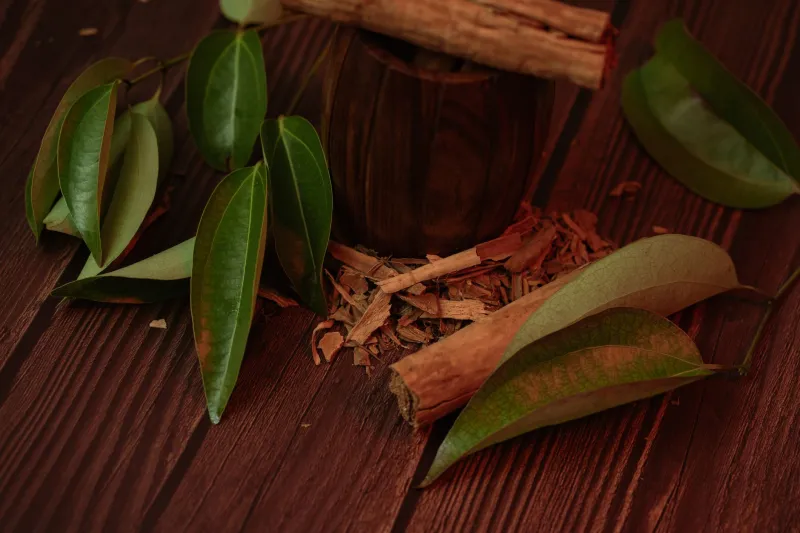
- Marathi mokku, the dried flower bud that tastes faintly of cinnamon and clove
- Whole coriander seed
- A small bottle of cold-pressed sesame oil
This tin is for someone who will open the kalpasi, sniff it, and go quiet for a second. That reaction is worth the extra forty dollars.
Which Spices Actually Earn Their Place
The temptation is to fill the tin with variety. Resist it. A tin of nine things used once each is worse than a tin of four things used weekly.
The test is simple: can the recipient make a complete, recognizable dish with what's in front of them? Black pepper, cumin, coriander, dried chilies, and tamarind clear that bar. Kalpasi and marathi mokku are beautiful but they're supporting players — include them as a bonus, not a foundation.
One more rule: whole, not ground, wherever possible. Whole spices hold their aroma for months. Ground spices fade in weeks. A tin of whole peppercorns and cumin seed will still be earning its keep next holiday season.
The Recipe Card Is the Whole Gift
Here's the part most people skip. A tin of spices with no instructions is a riddle. A tin with a recipe card is an invitation.
Write it by hand. Keep it to one dish, one side of one card. Choose something forgiving — a simple pepper chicken, a tamarind dal, a cabbage stir-fry with a tempering of mustard seed and curry leaf. Note the quantities in teaspoons and tablespoons, not grams. Add a single line at the bottom: text me a photo when you make it.
That line converts the gift from an object into a small ongoing relationship. It is, frankly, the entire reason to give a spice tin instead of wine.
Wrapping It Without Making It a Project
Skip the cellophane and the ribbon nest. Put the jars in the tin, tuck the card on top, close the lid, and tie it with kitchen twine. Label each jar with a marker if the recipient won't recognize the contents — kalpasi looks like dried moss, because it is. A five-word label on masking tape is charming. A printed label is not.
Then bring the wine anyway. You're not a monster.