The Ancient Rituals That Made Chettinad Food One of the World's Great Cuisines
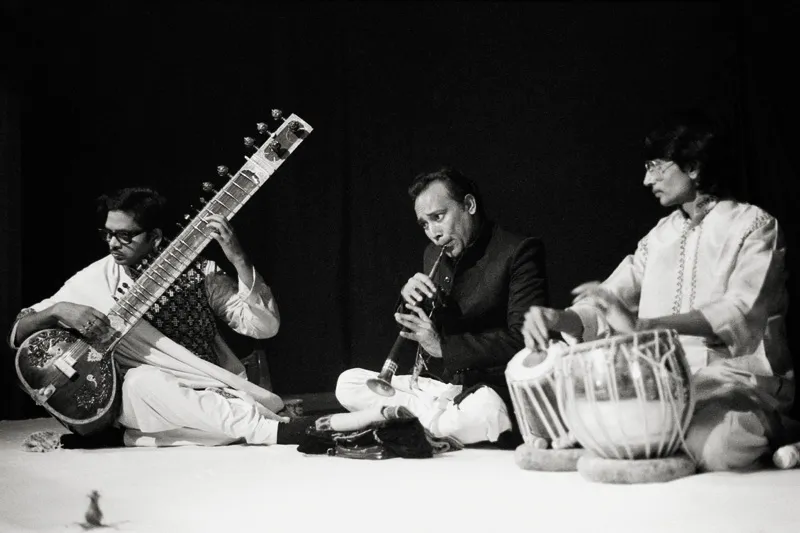
Photo: Nomo michael hoefner http://www.zwo5.de, CC BY-SA 3.0, via Wikimedia Commons
There's a moment that happens when you eat truly great food — when a dish stops being just a meal and becomes something that feels weighted with meaning. If you've ever had an authentic Chettinad curry, you probably know the feeling. There's a complexity there that goes beyond technique or ingredients. It feels, somehow, earned.
That's not an accident. The food of the Chettinad region carries centuries of history in every bite, and much of that history is spiritual.
A Region Shaped by Faith and Commerce
The Chettiars — the merchant community at the heart of Chettinad culture — were extraordinary travelers. From roughly the 18th century onward, they built vast trading networks across Southeast Asia, with significant communities in Burma (now Myanmar), Sri Lanka, Malaysia, and beyond. They were financiers, traders, and cultural ambassadors, and when they traveled, they brought their food with them. When they came home, they brought new ingredients back.
But before any of that — before the trade routes and the merchant palaces and the famous Chettinad mansions that still stand in towns like Karaikudi and Kanadukathan — there was the temple.
In Tamil Nadu, the temple is not simply a place of worship. It is the center of community life, the keeper of tradition, and historically, one of the most important sites of culinary innovation. Temple kitchens, called madapalli, were sophisticated operations that fed thousands of devotees during festivals and maintained strict standards of preparation that were considered acts of devotion in themselves.
"Food prepared for the deity is called prasadam," explains the tradition. It's offered first to the divine, then distributed to worshippers. The act of cooking it is considered sacred. The ingredients matter. The timing matters. The intention behind every step matters.
How Temple Traditions Shaped Chettinad Flavor
This spiritual framework had a profound effect on how Chettinad cuisine developed. Temple cooking in Tamil Nadu is traditionally vegetarian — no meat, no onion, no garlic — and relies instead on the extraordinary complexity of spice combinations to create depth and satisfaction. The ingenuity required to make vegetarian food deeply flavorful using only spices, lentils, rice, and vegetables pushed Tamil cooks to develop spice knowledge that was genuinely unparalleled.
That expertise then crossed over into the non-vegetarian cooking that the Chettiars prepared at home and during community celebrations. When you taste the layered, almost architectural complexity of a Chettinad pepper chicken — the way the heat builds slowly, the way earthy and floral notes weave through the sharpness — you're tasting the legacy of generations of cooks who understood spice at a cellular level.
The famous Chettinad pepper masala, built on a foundation of black pepper, fennel, kalpasi (stone flower), and marathi mokku (dried flower pods), didn't emerge from a restaurant kitchen. It evolved through centuries of ritual cooking, family tradition, and the practical genius of people who had access to extraordinary ingredients and the knowledge to use them.
The Role of the Chettinad Household Kitchen
If the temple was the public face of Chettinad culinary tradition, the home kitchen was where the real magic happened — and where the most closely guarded recipes lived.
Chettinad households, particularly those of the wealthier merchant families, were known for their hospitality. Feeding guests — and feeding them extraordinarily well — was a matter of family honor. Recipes were not written down. They were taught, demonstrated, tasted, and corrected over years of practice. A young woman learning to cook in a traditional Chettinad home wasn't following a recipe card. She was absorbing a living tradition.
This oral transmission meant that recipes stayed connected to their context. You didn't just learn what to put in a dish — you learned why. Why you bloom certain spices first. Why you use stone flower in meat dishes but not in lentil preparations. Why the ratio of pepper to chili shifts depending on the season. The food stayed intelligent because the knowledge stayed embodied.
What This Means for American Cooks Today
There's a growing movement in American food culture toward what you might call "historically anchored" eating — a desire for food that connects to something real, something with roots. You can see it in the surge of interest in heritage grain breads, in the popularity of regional Mexican cuisines beyond Tex-Mex, in the craft fermentation revival. People are hungry (literally and figuratively) for food that means something.
Chettinad cuisine fits beautifully into this moment. It's not fusion. It's not simplified. It's one of the world's genuinely great regional cuisines, with a documented history, a coherent philosophy, and a flavor profile that rewards curiosity.
Understanding the temple origins of Chettinad cooking changes the experience of making it at home in a subtle but real way. When you take the time to bloom your kalpasi in hot oil, when you grind your own pepper rather than using pre-ground, when you let your curry simmer long enough for the spices to fully integrate — you're participating in a tradition that was built on the idea that cooking carefully is a form of respect.
That's a pretty powerful thing to bring to a Tuesday night dinner.
The Dishes That Carry the History
A few Chettinad classics are worth knowing not just for how to cook them, but for what they represent:
Chettinad Chicken Curry — The most internationally recognized Chettinad dish, this is built on a complex spice paste that includes coconut, poppy seeds, and a rotating cast of aromatic spices. It's the dish that most clearly shows the influence of the spice trade — ingredients from across South and Southeast Asia unified in a single pot.
Kavuni Arisi (Black Rice Pudding) — A traditional dessert made from black glutinous rice and coconut milk that has direct ties to festive and ceremonial cooking. It's simple, striking, and deeply satisfying in the way that only food with real history tends to be.
Kuzhambu (Tamarind-Based Vegetable Curry) — This is the temple kitchen in a bowl. No meat, no onion, no garlic — just the brilliant interplay of tamarind, tomato, lentils, and a spice blend that somehow tastes more complex than the sum of its parts.
Vella Paniyaram (Sweet Rice Dumplings) — A festive preparation tied to specific religious occasions, these small, pillow-soft dumplings made from fermented rice batter and jaggery represent the intersection of everyday cooking and ritual food at its most approachable.
Bringing It Home
At Chettinad Shop, we believe that the best way to honor a culinary tradition is to actually cook it — not a simplified version, not a fusion interpretation, but the real thing, made with authentic ingredients sourced from the region where this food was born.
That means whole spices you can toast and grind yourself. It means kalpasi and marathi mokku, not just cumin and coriander. It means the actual building blocks of a cuisine that has been feeding and nourishing people for centuries.
You don't need to know the full history of Chettinad to cook its food well. But knowing even a little of it — knowing that these flavors were shaped by temple rituals and trade routes and the accumulated wisdom of generations of home cooks — adds something to the experience that you simply can't get from a recipe alone.
Cook with intention. Use real ingredients. Respect the tradition.
The food will taste better for it.